Heights Eye Studio
1533 N Shepherd Dr Ste 120, Houston, TX 77008


DRY EYE TREATMENT IN HOUSTON
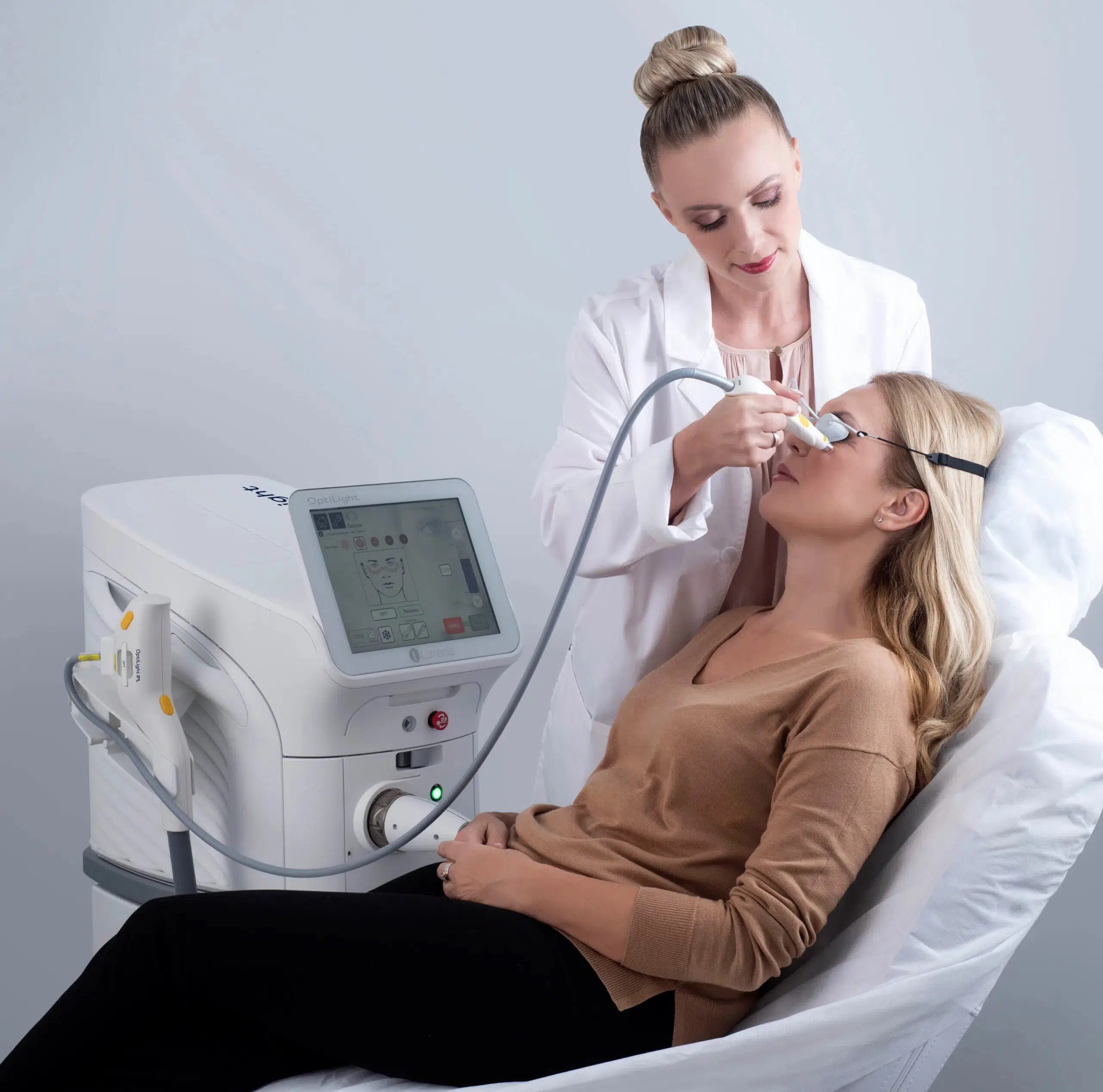
At Heights Eye Studio, our optometrists are Dry Eye Specialists that rely on the latest research and highly advanced technology to diagnose and treat dry eye disease.
Dry eye disease is a common condition that occurs when your tears aren't able to provide adequate lubrication for your eyes. Tears can be inadequate and unstable for many reasons. For example, dry eyes may occur if you don't produce enough tears or if you produce poor-quality tears. This tear instability leads to inflammation and damage of the eye's surface.
Dry eyes feel uncomfortable. If you have dry eyes, your eyes may sting or burn. You may experience dry eyes in certain situations, such as on an airplane, in an air-conditioned room, while riding a bike or after looking at a computer screen for a few hours.
Dry Eye Causes
Inflammation
Systemic inflammation drives local inflammation in the eyes. Ocular inflammation drives permanent deterioration of the oil and water glands, furthering your dry eye symptoms and limiting the overall success of treatment. For this reason, it is essential to treat ocular inflammation early and aggressively and to look for ways to improve systemic sources of your inflammation.
Meibomian Gland Disease (MGD)
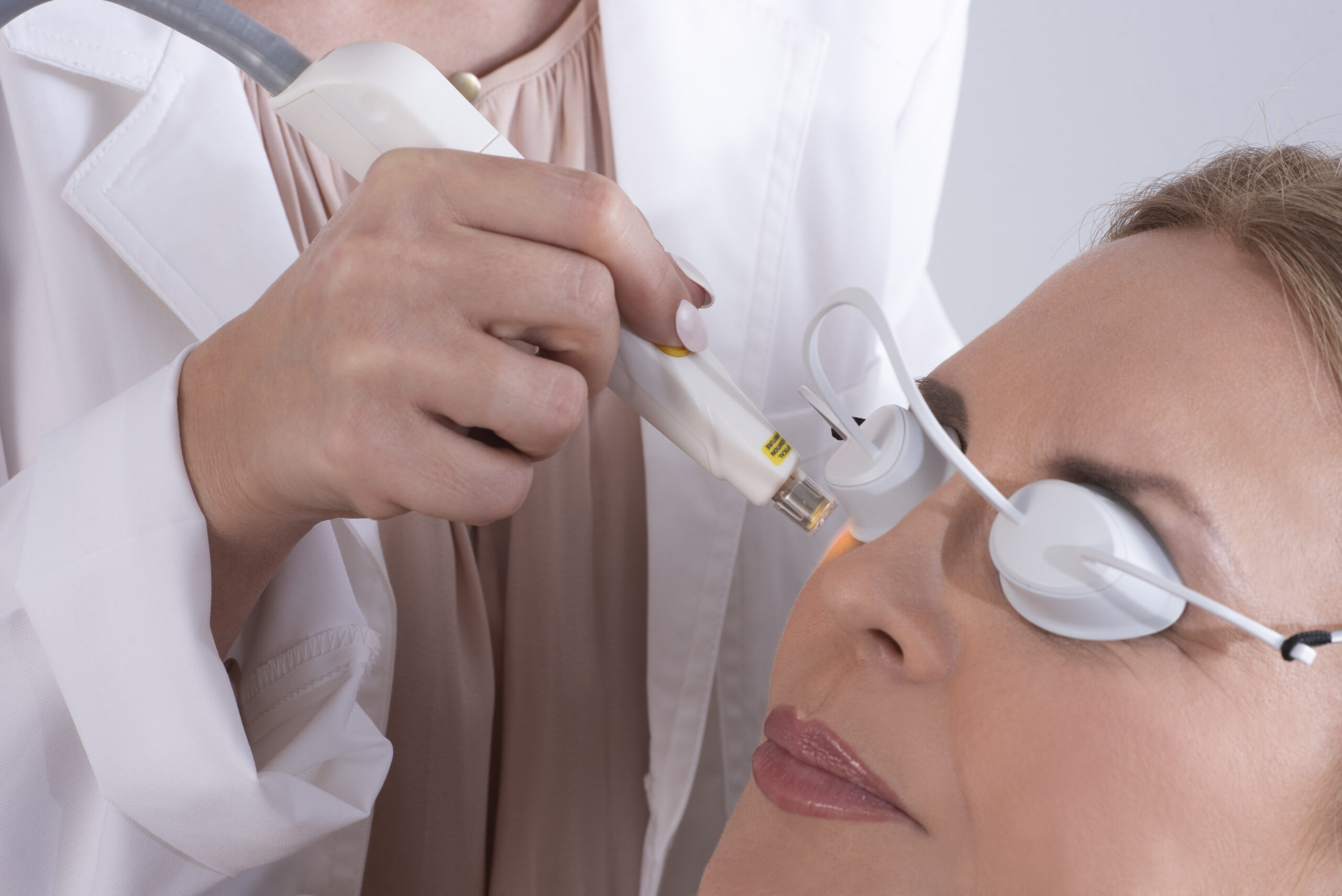
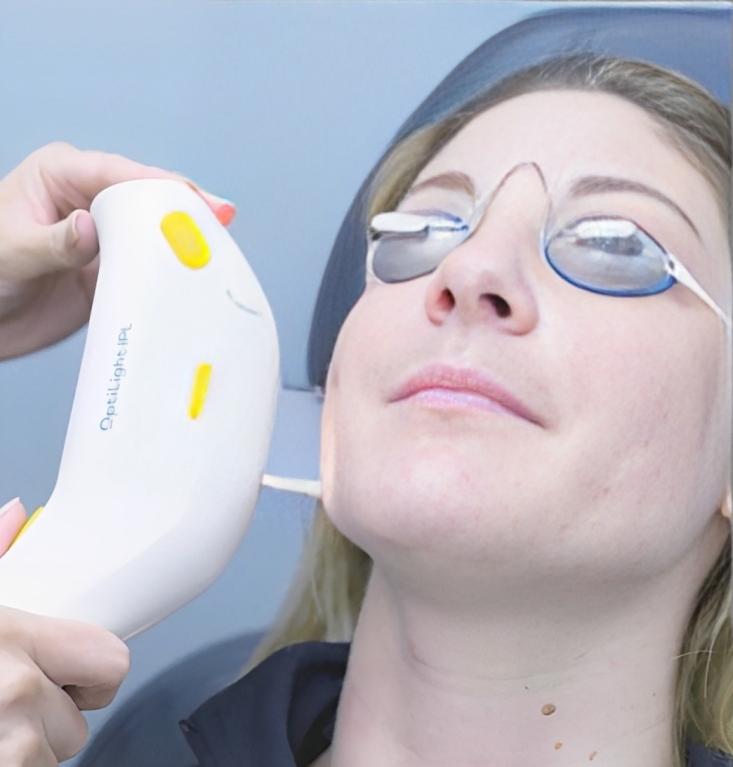
Meibomian Gland Disease (MGD) occurs initially when the oil (meibum) that is created is semi-solid instead of liquid. This is primarily influenced by your diet and levels of systemic inflammation. The glands become clogged over time and no longer excrete oil into the tear film. This process is often accelerated in those spending long hours on devices, because they often do not close their lids all the way when blinking. Full blinks serve to "milk" these oil glands. Once oil glands are clogged and the oil can no longer move out, the gland begins to "dry up" and are permanently shut down. It is essential that we treat clogged glands aggressively to prevent further loss and limited outcomes. When we are able to liquify the oil being produced it is then excreted into the tear film with every blink. This slows down the tear evaporation on the eye's surface which prevents burning and blur between blinks. In addition to soothing your dry eye symptoms, increasing the oil content in the tears also helps protect and nourish the ocular surface.
Bacteria
Bacterial and/or mite overproliferation creates inflammation of the lid margin, driving toxins into the tear film that aggravate the eye, causing redness and inflammation on the actual ocular surface. We will engage topical cleansers, antibiotics, and / or mechanical exfoliators to eradicate the intrusion.
Lid function
Proper lid function is essential to protecting and hydrating the ocular surface. Some issues can be treated with blink exercises and special masks, but others may require an eventual surgical referral.
Aqueous Deficient Dry Eye (ADDE)
The lacrimal gland can be permanently damaged by inflammation, with or without Sjogren's Disease. It is important that we stress hydration, and enlist pharmaceuticals and/or punctal occlusion when needed.
Dry Eye
Treatments And Procedures
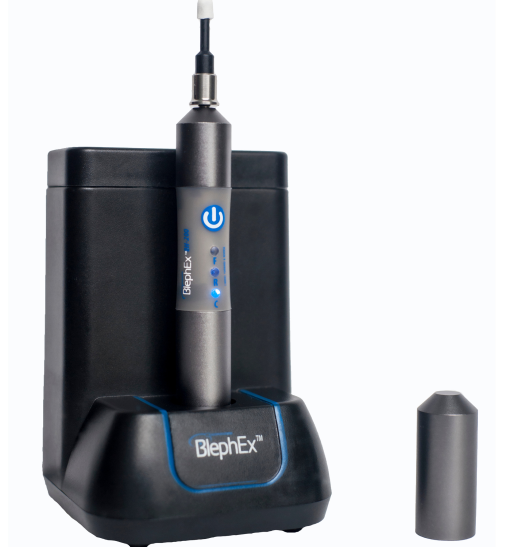
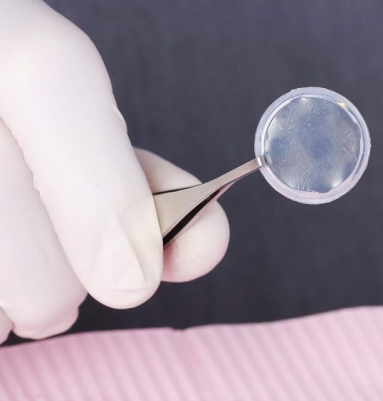

Dry Eye Home Remedies
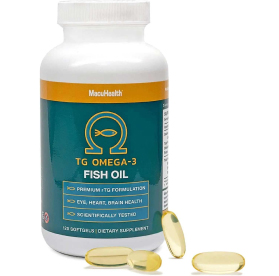
Nutraceuticals: - TG Omega-3 Supplements
Omega 3s are used to help reduce inflammation and thin the oil created from the meibomian glands. This is a medical grade omega 3 that is more refined and a triglyceride form for better absorption into the blood stream. There are many systemic benefits of taking omega 3s, such as lower cholesterol, heart health, brain activity, and nutrient absorption. These take at least 2 months to begin working. It is a critical element of your treatment protocol and important that you do not discontinue without consultation.
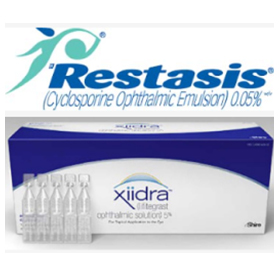
Immunomodulator Prescription: Cequa/Xiidra/ Restasis
It will take up to 3 months to take effect, so do not expect immediate relief when inserting the drop. You will likely be on the drop long term and should not discontinue without consultation.
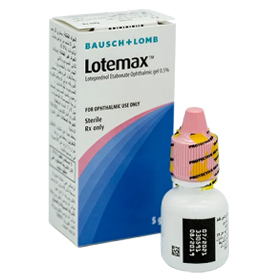
Steroid for flares: Lotemax
Prescription steroid eye drops can be prescribed for the purpose of reducing inflammation.
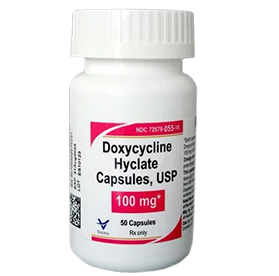
Antibiotics: Doxycycline
Topical antibiotics are sometimes used to control the bacterial growth along the lid margin or to resolve a stye. An extremely low dose of oral antibiotic that may help reduce inflammation and improve the oil gland function.
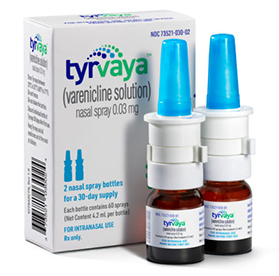
Prescription Nasal Spray: Tyrvaya
Activates tear film production from within—helping your body create more natural tears
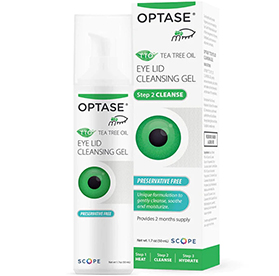
Oil Tea Tree Lid Scrub: Optase Eye Lid Cleansing Gel
Lid scrubs are used to reduce the bacteria and remove oils and debris from your lids. Close your eyes and massage into your lids and lashes. Rinse. Do this twice per day.

Systemic / Lifestyle / Environmental
If the body is inflamed, the eyes will likely be inflamed. Stress, anxiety, depression, lack of sleep or exercise, poor hydration and diet, environmental and systemic disease all drive inflammation. Just as the sources are multidirectional, it is important that the treatments be as well. The more hydrated you are, the more tears you can make. Make a goal to drink half your body weight in ounces per day, normally 8-10 glasses.

Anti-inflammatory diet
Countless studies have linked diet to health and wellness. A diet rich in omega 3 fatty acids is beneficial to thin the oil produced by the eyelids and increase its flow into the tear film, as well as heart health, brain activity, lowering cholesterol, and taming anxiety. Foods high in omega 3s are oily fish, walnuts, chia seeds, olive oil, and avocado. Focus on healthy fats like fish, nuts, and fruits and vegetables. Tomatoes, olive oil, beans, and leafy greens are also among the anti-inflammatory foods.

Hydrating sleep mask (if poor lid seal or CPAP)
Use this specially designed mask to prevent evaporation during the night caused by the lids not closing tightly. Even if you take off the mask in your sleep, start every night with the mask on to limit nighttime drying.
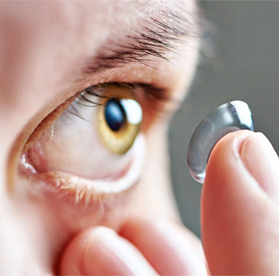
Change/ Stop Contact Lens Wear
Contact lens wear can dry the ocular surface in multiple ways. It is essential that you give your eyes a break from the contact lenses for several waking hours per day, and days per week. Also be sure to dispose of your lenses nightly.