Heights Eye Studio
1533 N Shepherd Dr Ste 120, Houston, TX 77008


Understanding Computer Vision Syndrome: Tips From Eye Doctor


Understanding Computer Vision Syndrome: Tips From Eye Doctor
In today’s digital age, we spend countless hours in front of screens, whether it’s for work, entertainment, or socializing. While this technology has undoubtedly improved our lives in many ways, it has also given rise to a new concern known as Computer Vision Syndrome (CVS).
Understanding the Impact on Your Eyes
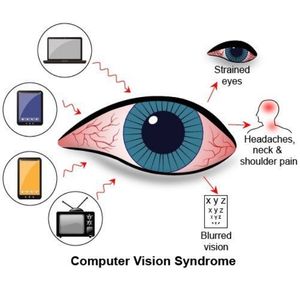
Excessive screen time can take a toll on your eyes, leading to a myriad of uncomfortable symptoms collectively known as Computer Vision Syndrome (CVS). The prolonged periods of focusing on digital screens strain the eyes, leading to a range of issues that can affect your overall well-being.
- Eyestrain: Eyestrain is one of the most common symptoms of Computer Vision Syndrome. When you stare at a screen for extended periods, your eyes must work harder to maintain focus, leading to fatigue and discomfort. This constant strain can cause soreness, heaviness, and aching around the eyes.
- Headaches: Headaches are another prevalent symptom of CVS. The visual strain from prolonged screen time can trigger tension headaches, characterized by dull, achy pain that often radiates from the forehead or temples. These headaches can significantly impact productivity and quality of life.
- Blurred Vision: Blurred vision may occur after prolonged screen use, making it difficult to focus on objects both near and far. This temporary blurriness is a result of the eye muscles becoming tired and less responsive to visual stimuli. It can be particularly concerning for individuals who rely on clear vision for tasks such as driving or reading.
- Dry Eyes: This is a common complaint among those who spend long hours in front of screens. Staring at a screen reduces the frequency of blinking, leading to inadequate lubrication of the eyes. This can result in a sensation of grittiness, burning, or itching, along with redness and excessive tearing as the eyes attempt to compensate for the lack of moisture.
- Neck and shoulder pain: This is an overlooked symptom of Computer Vision Syndrome. Prolonged periods of sitting in front of a screen can lead to poor posture, causing tension and discomfort in the neck, shoulders, and upper back. This physical strain can exacerbate existing musculoskeletal issues and contribute to long-term discomfort.
These symptoms of Computer Vision Syndrome can significantly impact your daily life, making it essential to take proactive steps to alleviate discomfort and protect your eye health. By understanding the impact of excessive screen time on your eyes, you can implement strategies to minimize strain and promote long-term visual wellness.
Tips from an Eye Doctor
- Follow the 20-20-20 Rule: Optometrists recommend following the 20-20-20 rule: every 20 minutes, take a 20-second break and look at something 20 feet away. This simple practice helps reduce eye strain and fatigue by giving your eyes a chance to rest and refocus.
- Optimize Your Workspace: Position your computer screen so that it’s about arm’s length away from your eyes and slightly below eye level. Adjust the brightness and contrast of your screen to reduce glare and eye strain. Additionally, consider using a glare filter to minimize reflections.
- Take Regular Breaks: Make a conscious effort to take frequent breaks from screen time. Use these breaks to stretch, blink, and give your eyes a chance to relax. Set reminders on your phone or computer if necessary to ensure you don’t forget.
- Stay Hydrated: Drinking plenty of water throughout the day helps prevent dry eyes, a common symptom of Computer Vision Syndrome. Consider using lubricating eye drops to keep your eyes moist and comfortable, especially if you live in a dry climate or spend a lot of time in air-conditioned environments.
- Get Regular Eye Exams: Visit an Optometrist in Houston regularly for comprehensive eye exams. These exams not only detect vision problems but also identify any underlying issues that could contribute to Computer Vision Syndrome. Your eye doctor can prescribe glasses or contact lenses specifically designed for computer use, if necessary.
Preventing Computer Vision Syndrome
Preventing Computer Vision Syndrome requires a proactive approach to eye care. By implementing these tips from Eye Doctor in Houston, TX you can reduce the risk of developing CVS and alleviate existing symptoms. Remember to prioritize your eye health and take steps to protect your vision in our screen-dominated world.
Computer Vision Syndrome is a common condition affecting millions of people worldwide. However, with awareness and proactive measures, you can minimize its impact on your eyes and overall well-being. Follow the advice of Optometrists, take regular breaks, optimize your workspace, and prioritize regular eye exams to safeguard your vision for years to come. Don’t let Computer Vision Syndrome interfere with your daily life—take control of your eye health today.
Our eyes are the gateway to visions that gives us insight and hope. So, it’s important to trust an Optometrist for your eye care needs. Prioritize your vision and make proactive choices to ensure long-term eye health and comfort. Visit your nearby optometrist today and make sure to take care of your vision for a lifetime.