Heights Eye Studio
1533 N Shepherd Dr Ste 120, Houston, TX 77008


Choosing The Best Eye Doctor: Tips And Insights

Choosing The Best Eye Doctor: Tips And Insights
Our eyes are windows to the world, and maintaining good vision is crucial for a fulfilling life. Finding the right eye doctor in Houston can feel overwhelming, but you can confidently navigate the process with the right information. Here are key points and insights to help you choose the best eye doctor for your specific needs:
This blog will provide key points and insights to help you choose the best eye doctor for your specific needs. From understanding different types of eye care professionals to knowing what to look for in a reputable clinic, we’ve got you covered.
Consider Your Eye Care Needs!
- Comprehensive Eye Exams: Regular eye exams are crucial for maintaining good vision and early detection of potential problems. Do you need an eye doctor who specializes in routine checkups for the whole family?
- Specific Eye Conditions: If you have a pre-existing eye condition like glaucoma, cataracts, or macular degeneration, you’ll want to find an eye doctor with expertise in managing that specific condition.
- Contact Lens Wearers: If you wear contact lenses, look for an eye doctor in Houston who offers contact lens fitting and care services.
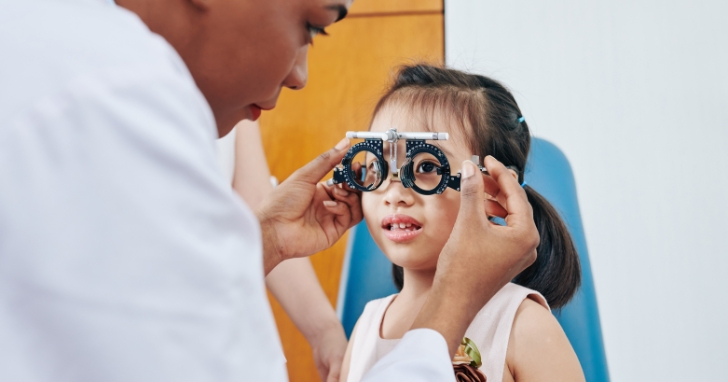
- Pediatric Eye Care: If you’re searching for an eye doctor for your child, look for someone experienced in treating children’s eyes and comfortable explaining procedures in a way they understand.
Location and Convenience:
Proximity: Consider how close the eye doctor’s office is to your home or work. A conveniently located office makes scheduling appointments and follow-up visits easier.
Office Hours: Choose an eye doctor with office hours that fit your schedule. Early morning, evening, or weekend appointments can be crucial for busy individuals.
Credentials and Experience:
Education and Training: Research the eye doctor’s educational background and training. Look for someone who graduated from an accredited medical school and completed a residency program in ophthalmology or optometry.
Board Certification: Board certification demonstrates the doctor’s commitment to ongoing education and staying current with advancements in eye care.
Facilities and Technology:
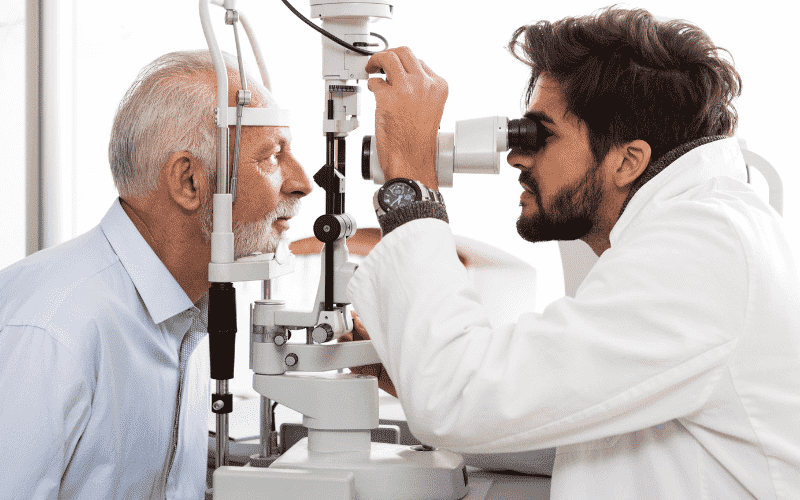
Modern Equipment: Having access to advanced diagnostic equipment ensures the doctor can accurately diagnose and treat your specific needs.
Surgical Capabilities: If you anticipate needing surgery in the future, find an eye doctor with surgical capabilities or who can refer you to a qualified surgeon.
Insurance and Billing:
In-Network Providers: Check with your insurance company to see if the eye doctor is an in-network provider. This can significantly reduce your out-of-pocket costs.
Cost Transparency: Inquire about the eye doctor’s fees for exams, procedures, and glasses or contact lens fittings. Some doctors offer transparent pricing information on their websites.
Patient Reviews and Recommendations:
Online Reviews: Read online reviews from previous patients to get a sense of the doctor’s bedside manner, communication style, and overall patient experience. Keep in mind that online reviews should not be the sole deciding factor, but they can offer valuable insights.
Word-of-Mouth Recommendations: Ask friends, family, and your primary care physician for recommendations on eye doctors in Houston. Personal recommendations from trusted people can be a great way to find a qualified doctor.
Book An Appointment Today!
- First Impressions Matter: Many eye doctor offices offer consultation appointments. This allows you to meet the doctor, ask questions about their practice and approach, and see if they fit your needs well.
- Bedside Manner: Pay attention to the doctor’s communication style. Do they explain things clearly and answer your questions in a way you understand? Do they take the time to address your concerns and build trust?
Finding the right eye doctor in Houston is an investment in your long-term eye health. By considering your specific needs, prioritizing convenience, researching credentials and facilities, and leveraging patient reviews and recommendations, you can navigate the process with confidence. Don’t hesitate to schedule a consultation with a few potential eye doctors before making your final decision. Remember, the right eye doctor will be a valuable partner in ensuring a lifetime of clear and healthy vision.
Frequently Asked Questions
Do I need an ophthalmologist or an optometrist?
Both ophthalmologists and optometrists are qualified eye doctors, but their areas of expertise differ. Ophthalmologists are medical doctors who can diagnose and treat all eye conditions, including performing surgery. Optometrists are primary eye care providers who specialize in routine eye exams, prescribing glasses and contact lenses, and managing certain eye diseases.
In most cases, an optometrist can address your eye care needs. However, an ophthalmologist might be necessary if you have a complex eye condition or require surgery. Your primary care physician or current eye doctor (if you have one) can help guide you toward the right specialist for your needs.
What should I bring to my first eye exam?
Here’s what to bring to your first eye exam:
- Your health insurance card and a photo ID.
- A list of your current medications.
- Any past eyeglasses or contact lens prescriptions.
- A list of any questions or concerns you have about your vision.
How often should I get an eye exam?
The recommended frequency for eye exams can vary depending on your age, overall health, and risk factors for eye diseases. Generally:
- Adults under 40: Every 2-4 years
- Adults 40-54: Every 2-3 years
- Adults 55 and over: Every 1-2 years
- People with certain health conditions or risk factors: More frequent exams might be recommended by your doctor.
What are some red flags to watch out for when choosing an eye doctor?
Here are some red flags to be aware of:
- Pressure to purchase unnecessary tests or treatments.
- Lack of transparency about costs.
- Rushed appointments where your questions aren’t answered thoroughly.
- Negative online reviews consistently mention poor communication or unprofessional conduct.
I’m nervous about getting an eye exam. What can I do to prepare?
It’s normal to feel nervous about an eye exam, especially if it’s your first one. Here are some tips to ease your anxiety:
- Write down your questions and concerns beforehand.
- Let the doctor’s office know if you’re nervous.
- Take a friend or family member with you for support.
Remind yourself that eye exams are an important part of maintaining good vision.