Heights Eye Studio
1533 N Shepherd Dr Ste 120, Houston, TX 77008


What is the Best Treatment for Eye Infection?

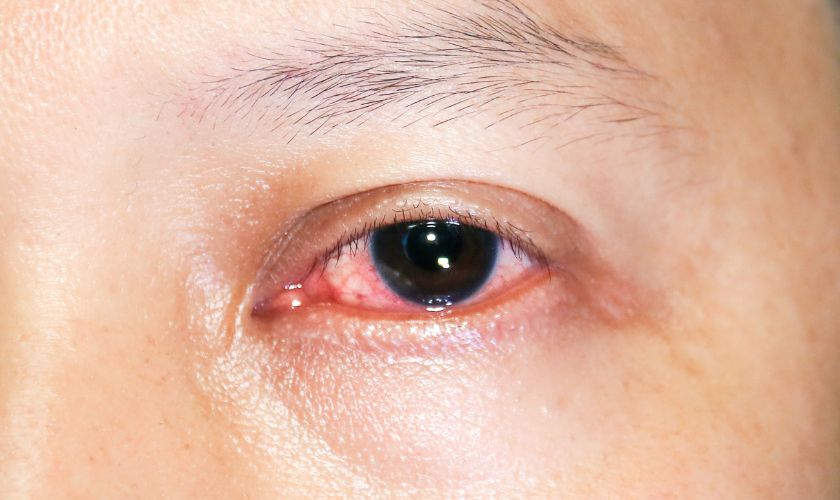
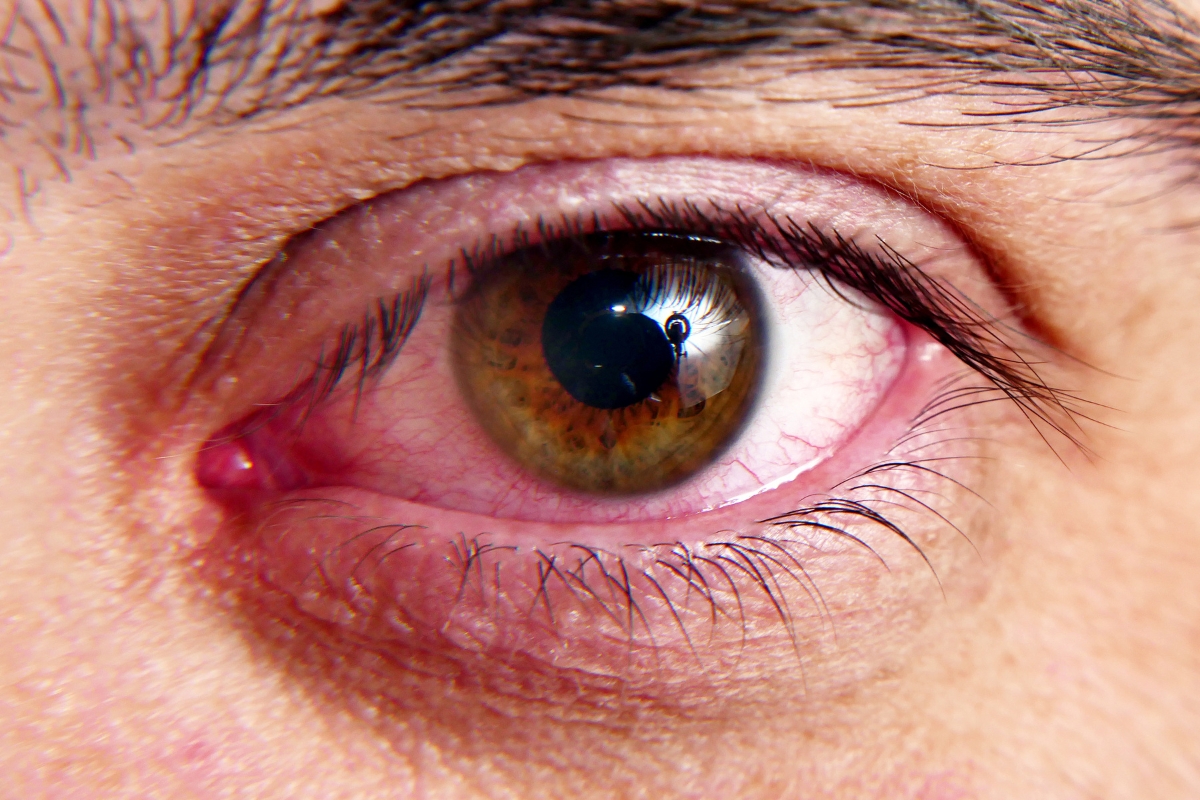
What is the Best Treatment for Eye Infection?
In a world where our eyes are constantly exposed to various environmental factors and digital screens, the risk of eye infections is an ever-present concern. The delicate nature of the eyes makes them susceptible to infections that can range from mild discomfort to severe complications. Seeking the best treatment for eye infections is crucial to safeguarding our vision and overall eye health. In this blog, we delve into the valuable insights provided by optometrists in Houston, TX. We’ll also look into the recommendations and make informed decisions to address and prevent eye infections effectively.
Understanding Bacterial Eye Infections
Bacterial eye infections are a prevalent ocular concern, often triggered by harmful bacteria infiltrating the eye. These infections can manifest in various forms, including conjunctivitis (commonly known as pink eye), blepharitis, or keratitis. The causes of bacterial eye infections are diverse and can stem from exposure to contaminated objects, poor hygiene practices, or even secondary to other respiratory infections.
Causes of Bacterial Eye Infections
- Contaminated Objects: Touching contaminated surfaces and then rubbing the eyes provides an entry point for bacteria. Everyday objects like towels, pillowcases, or shared makeup applicators can harbor bacteria that may lead to infection.
- Poor Hygiene Practices: Neglecting proper hand hygiene, especially before touching the eyes, can contribute to bacterial eye infections. Rubbing or touching the eyes with unwashed hands increases the risk of introducing bacteria into the sensitive ocular environment.
Treatment Options for Bacterial Eye Infections
- Topical Antibiotic Eye Drops or Ointments: These medications are designed to target and eliminate the specific bacteria causing the infection. They are applied directly to the eyes, providing localized treatment to combat the bacterial source.
- Oral Antibiotics: In severe cases or when the infection has spread beyond the eye, oral antibiotics may be prescribed. These medications work systemically to combat bacterial growth throughout the body.
Navigating Viral Eye Infections
Viral eye infections, caused by various viruses, can lead to a range of uncomfortable symptoms and pose unique challenges in treatment. Understanding the causes, effects, and treatment options is essential for managing these infections effectively.
Causes of Viral Eye Infections
- Adenovirus: One of the primary culprits behind viral conjunctivitis, adenovirus can cause a highly contagious form of pink eye. This virus is often transmitted through respiratory droplets or by touching surfaces contaminated with the virus.
- Herpes Simplex Virus (HSV): Herpes simplex virus, commonly associated with cold sores, can also affect the eyes, causing herpes keratitis. The virus may be transferred to the eyes through contact with infected saliva or skin, leading to painful and recurrent eye infections.
- Varicella-Zoster Virus (VZV): VZV, responsible for chickenpox and shingles, can cause viral infections in the eye. Exposure to the virus, either through direct contact or airborne particles, can lead to conditions like herpes zoster ophthalmicus.
Effects of Viral Eye Infections
- Conjunctivitis (Pink Eye): Viral conjunctivitis can result in redness, watery discharge, and discomfort. It is highly contagious and can spread easily, especially in crowded environments.
- Keratitis: Viral keratitis, such as that caused by herpes simplex virus, can lead to corneal inflammation, pain, and sensitivity to light. Recurrent flare-ups may occur, impacting visual clarity.
- Herpes Zoster ophthalmicus: This condition, caused by the varicella-zoster virus, can result in painful rashes, inflammation, and potentially serious complications affecting the eye, including corneal damage.
Treatment Options for Viral Eye Infections
The treatment of viral eye infections often involves antiviral medications and, in some cases, steroids to manage inflammation. Eye doctors may recommend the following treatment options:
- Antiviral Eye Drops: These specialized eye drops target the specific virus causing the infection, inhibiting its replication and reducing symptoms. Common antiviral medications for the eyes include ganciclovir and trifluridine.
- Steroid Eye Drops: In cases where inflammation is severe, eye doctors may prescribe steroid eye drops to alleviate swelling and discomfort. However, the use of steroids must be carefully monitored due to potential side effects.
- Oral Antiviral Medications: In more severe or systemic cases, oral antiviral medications may be prescribed to address the viral infection more comprehensively.
Critical Steps for Contact Lens Wearers
Contact lens wearers face unique challenges when it comes to eye infections. Swift and appropriate action is vital to prevent complications and ensure a speedy recovery. Here are essential steps and recommended treatments for contact lens wearers who suspect an eye infection.
Remove Contact Lenses Immediately: If you suspect you have an eye infection, the first and most crucial step is to remove your contact lenses immediately. Wearing contact lenses while experiencing an eye infection can exacerbate the condition by trapping bacteria or viruses against the eye. This step helps prevent further irritation and allows the eyes to breathe.
Avoid Reinserting Lenses: Refrain from reinserting the contact lenses until you’ve consulted with an eye doctor. It’s essential to identify the cause of the infection and receive appropriate guidance on when it’s safe to resume wearing lenses.
Consult an Eye Doctor Promptly: Seek professional guidance by scheduling an appointment with an eye doctor or optometrist at the earliest signs of an eye infection. Optometrists in Houston, TX, can perform a thorough examination to determine the type of infection and prescribe the most effective treatment.
Recommended Treatment Options
Topical Antibiotics: If the eye doctor diagnoses a bacterial infection, they may prescribe topical antibiotic eye drops or ointments. These medications are designed to combat bacterial growth and promote healing. Following the prescribed dosage and application frequency is crucial for effectiveness.
Antiviral Medications: In cases of viral eye infections, antiviral medications may be recommended. These medications target the specific virus causing the infection and help alleviate symptoms. They are available in the form of eye drops or, in severe cases, as oral medications.
In the realm of eye health, the guidance of professionals is invaluable when it comes to treating infections. Eye doctors and optometrists bring a wealth of knowledge and experience to the table, offering insights that empower individuals to take charge of their ocular well-being. From preventive measures to targeted treatments, the array of options discussed in this blog highlights the importance of a proactive approach to maintaining healthy eyes. By incorporating the advice provided by these experts into our daily routines, we can reduce the risk of eye infections and nurture a clear vision for a brighter, healthier future. Remember, your eyes are precious, and investing in their care today ensures a clearer, more vibrant tomorrow.