Heights Eye Studio
1533 N Shepherd Dr Ste 120, Houston, TX 77008


Eye Exam
ADULT EYE EXAMS

Are You Looking For The Best Eye Doctor In Houston Heights?
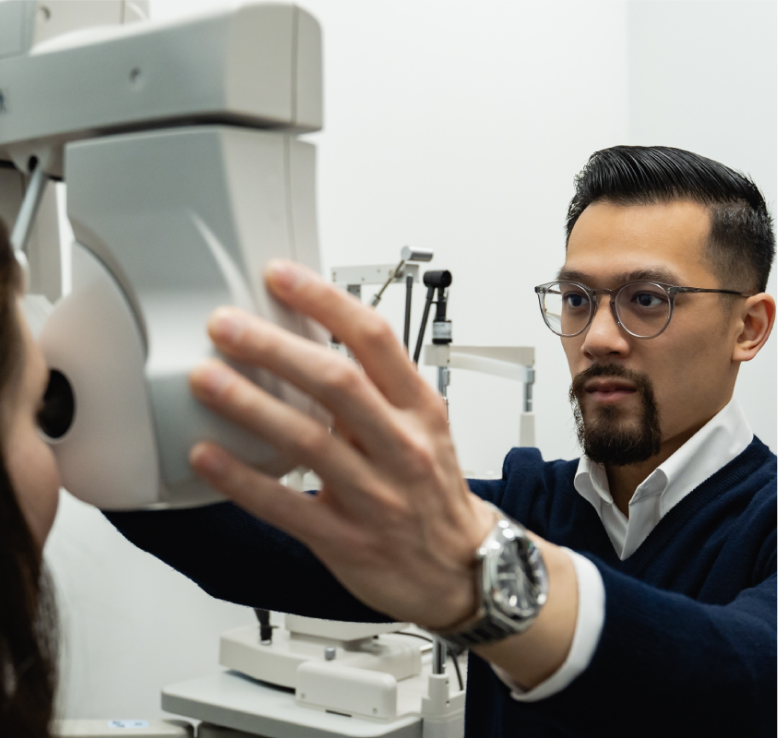
If you’ve had a vision screening recently, you might say, “My vision is fine! I don’t need a comprehensive eye exam.”
But a vision screening provides a limited perspective on the overall health of your eyes. It’s a bit like getting your blood pressure checked and not getting the rest of your annual physical. You’ll have useful information, but it’s not the whole picture.
What Are The Limitations Of A Vision Screening?
Vision screenings only test your ability to see clearly in the distance. This is called visual acuity and is just one factor in your overall vision. Others include color vision, peripheral vision, and depth perception. The screening also doesn’t evaluate how well the eyes focus up close or work together. Most importantly, it doesn’t give any information about the health of the eyes.
Vision screenings are conducted by individuals untrained in eye health.
Vision screenings are offered in many places – schools, health fairs, as part of a work physical or for a driver’s license. Even if your physician conducts the screening, he/she is a generalist and only has access to a certain amount of eye health training. Most individuals don’t have the tools or knowledge to give you a complete assessment of your vision or eye health.
Vision screenings use inadequate testing equipment.
In some cases, a vision screening is limited to an eye chart across the room. Even when conducted in a physician's office, they won’t have the extensive testing equipment of an eye doctor. They also won’t be aware of nuances such as room lighting and testing distances all of which are factors that can affect test results.
Comprehensive Eye Exams look at your total health history.
Even though you visit a separate office for your eye health, that doesn’t mean your eyes shouldn’t be treated holistically. Your eye doctor will discuss your overall health and that of your immediate family, any medications you’re taking, and whether you have high blood pressure or diabetes. They’ll also want to know if you smoke and how much sun exposure you get. All these factors help the eye doctor properly assess your eye health.
The American Optometric Association recommends an eye exam every two years if you aren’t having any problems and you’re aged 18-60. After the age of 61, you should schedule a comprehensive exam annually or as recommended by your eye doctor.
Book Appointment Online