Heights Eye Studio
1533 N Shepherd Dr Ste 120, Houston, TX 77008


Computer Glasses and Blue Light Glasses Which Is Better

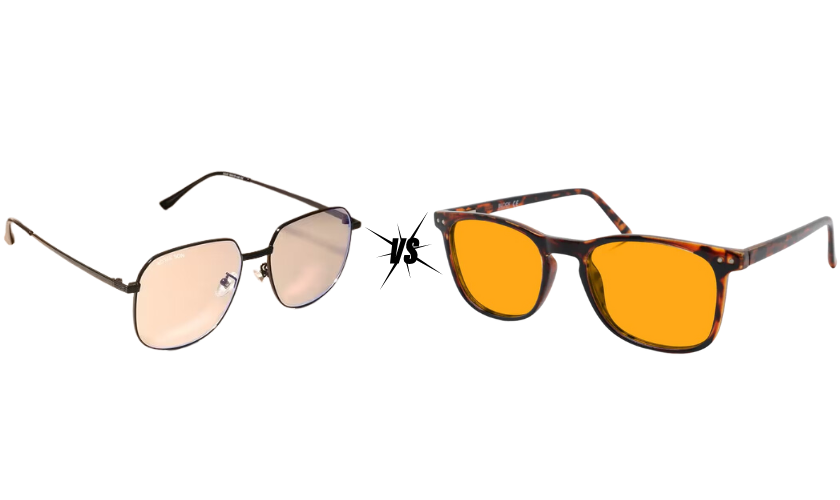
Computer Glasses and Blue Light Glasses Which Is Better
The digital revolution has undeniably transformed our lives, but it’s also introduced new challenges for our eyes. Staring at screens for extended periods can lead to digital eye strain, characterized by symptoms like blurry vision, headaches, and dry eyes. To combat this discomfort, many people turn to eyewear specifically designed for digital use. But with terms like computer glasses and blue light glasses thrown around, choosing the right option can be confusing.
This blog aims to shed light on the differences between computer glasses and blue light glasses, helping you decide which one caters best to your needs.
Understanding Digital Eye Strain
Before diving into specific glasses, let’s revisit the culprit behind the discomfort: digital eye strain (DES). DES arises from the intense focus required when using digital devices. Unlike reading physical text, screens emit blue light and flicker, causing our eyes to work harder to maintain focus and clarity. This extra effort over long periods leads to the telltale symptoms of DES.
What are Computer Glasses?
Computer glasses, also known as computer vision glasses or nearsighted glasses, are a type of corrective eyewear specifically designed for close-up tasks like working on computers, tablets, and smartphones. They offer a few key features to address DES:
Magnification:
Unlike regular glasses that might be prescribed for distance vision, computer glasses have a slight magnifying power. This minor magnification helps your eyes focus more easily on objects held at a close distance, reducing strain.
Anti-reflective coating:
Screens often have glare, which can further strain your eyes. Computer glasses typically come with an anti-reflective coating that minimizes glare and reflections, providing a clearer and more comfortable viewing experience.
Blue light filtering (optional):
While not all computer glasses have them, some incorporate blue light filtering technology. This can potentially offer some additional relief from the blue light emitted by digital devices.
Who Can Benefit from Computer Glasses?
- Anyone who experiences symptoms of DES, including dry eyes, blurred vision, headaches, and neck or shoulder pain after prolonged screen use.
- People who don’t require regular eyeglasses but experience eye strain from extensive digital device use.
- Individuals with existing nearsightedness who find their distance glasses aren’t ideal for close-up work.
What are Blue Light Glasses?
Blue light glasses, also called blue light-blocking glasses, focus primarily on filtering out blue light. Blue light is a part of the visible light spectrum, and while some exposure is necessary for regulating our sleep-wake cycle, digital devices emit a significant amount of it. The theory behind blue light glasses is that filtering out some of this blue light can help reduce eye strain and potentially improve sleep quality.
Types of Blue Light Glasses:
Daytime blue light glasses:
These have a weaker yellow tint and allow for a more natural view of colors. They are intended for use during the day while working with digital devices.
Nighttime blue light glasses:
These have a stronger yellow or orange tint that blocks more blue light. They are intended for use in the evening to minimize blue light exposure before bed, potentially promoting better sleep.
Who Can Benefit from Blue Light Glasses?
- People who experience significant eye strain from digital devices, even if they don’t require corrective lenses.
- Individuals who struggle with sleep after using electronic devices in the evening.
Selecting Between Blue Light and Computer Glasses
Here’s a breakdown to help you decide which type of glasses might be a better fit:
If you experience:
- Eye strain primarily when using digital devices and don’t have any underlying vision problems, computer glasses might be a good option. They address the focusing issues caused by close-up screen work and may or may not include blue light filtering.
- Eye strain from digital devices and also have trouble sleeping after screen time, consider daytime blue light glasses. These can help with both eye strain and potentially improve sleep quality.
- Eye strain but don’t necessarily experience sleep issues with screen time, consider trying computer glasses first. If the blue light filtering isn’t enough, you could explore nighttime blue light glasses for evening use.
Important Considerations
Consult an eye doctor:
It’s crucial to schedule an eye exam with an optometrist in Houston or your local area to discuss your specific needs and determine if you have any underlying vision problems that require correction. They can also advise you on the most appropriate type of eyewear for your situation.
Navigating the Digital Age: Understanding Computer Glasses vs. Blue Light Glasses
Practicing good digital hygiene:
Taking breaks from screens, practicing good posture, and adjusting screen brightness can significantly reduce eye strain. The 20-20-20 rule is a helpful practice: every 20 minutes, look away from your screen for 20 seconds at something 20 feet away.
Quality matters:
Invest in a good quality pair of glasses, whether computer glasses or blue light glasses. Look for reputable brands that offer verified blue light filtering and anti-reflective coatings if desired.
Try before you buy:
Many online retailers offer virtual try-on options, allowing you to see how the glasses look on your face. Some optometrists’ offices may also allow you to try on different styles.
Beyond the Basics
Computer Glasses with Blue Light Filtering:
As mentioned earlier, some computer glasses come with built-in blue light filtering. This can be a good option if you experience both focusing issues and discomfort from blue light.
Other Features:
Some computer glasses and blue light glasses offer additional features like scratch-resistant coatings, UV protection, and various lens tints. Discuss these options with your eye doctor to determine if they would be beneficial for you.
Are Computer Glasses and Blue Light Glasses Right for Children?
The impact of blue light on children’s eyes is a topic of ongoing research. While some studies suggest potential benefits from blue light filtering for children who use digital devices extensively, more research is needed. Consulting a pediatric ophthalmologist is crucial before getting computer glasses or blue light glasses for your child. They can assess your child’s individual needs and recommend the most appropriate approach.
The digital world offers undeniable convenience and countless benefits, but it’s essential to prioritize eye health. Understanding the differences between computer glasses and blue light glasses equips you to make informed decisions about protecting your vision. Remember, consulting an eye doctor is vital to determine the best course of action for your specific needs. By combining the right eyewear with healthy digital habits, you can navigate the digital age comfortably and with clear vision.