Heights Eye Studio
1533 N Shepherd Dr Ste 120, Houston, TX 77008


How Often Should Adults Get Eye Exams in Houston? A Comprehensive Guide

How Often Should Adults Get Eye Exams in Houston? A Comprehensive Guide
Regular eye exams are essential for maintaining vision and overall eye health. For adults, especially those living in Houston, where conditions like eye allergies can be prevalent, understanding the recommended frequency of eye exams can help prevent vision issues and detect other health conditions early. This guide dives into when adults should get an eye exam and why it’s essential, especially as we age.
1. Why Regular Eye Exams Are Important
- Early Detection of Eye Diseases: Severe eye conditions, such as glaucoma or diabetic retinopathy, show few symptoms until damage has already occurred. Regular exams help detect these issues early.
- General Health Insight: Eye exams can reveal early signs of diabetes and high blood pressure. Optometrists can spot indicators through changes in eye blood vessels.
- Maintaining Optimal Vision: As people age, vision can change. Regular exams ensure prescriptions are up to date, minimizing eye strain and optimizing daily performance.
- Digital Eye Strain Prevention: Many adults suffer from digital eye strain due to too much screen time. Regular checkups help assess and manage this issue.
2. Recommended Eye Exam Frequency by Age
- 18 to 39 Years: An eye exam every 2-3 years is generally sufficient for younger adults if there are no symptoms or risk factors.
- 40 to 64 Years: At this stage, vision often changes due to presbyopia or other age-related conditions. It’s recommended to have an exam every 1-2 years.
- 65 Years and Older: Older adults should ideally have an eye exam annually, as they’re more susceptible to conditions like cataracts, glaucoma, and macular degeneration.
- Consideration for Contact Lens Wearers: If you wear contact lenses, annual eye exams are essential to monitor eye health and ensure that lenses continue to fit correctly.
3. Signs You May Need an Eye Exam Sooner
- Frequent Headaches can be signs of vision changes or eye strain, often due to screen time or incorrect prescription lenses.
- Difficulty Reading or Seeing at Night: Changes in reading ability or night vision could signal the need for an updated prescription or the onset of certain eye conditions.
- Eye Pain or Redness: An eye professional should check for persistent discomfort or redness as soon as possible.
- Double Vision or Seeing Floaters: This may require immediate attention if you experience double vision or notice frequent floaters.
4. What to Expect During an Adult Eye Exam
- Vision Testing is a standard part of any eye exam. It tests your ability to see clearly at different distances.
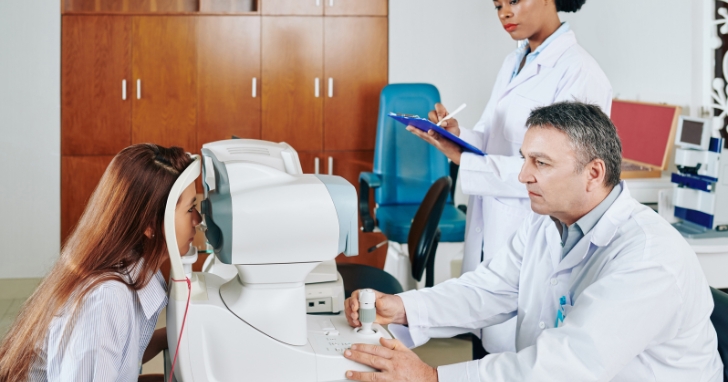
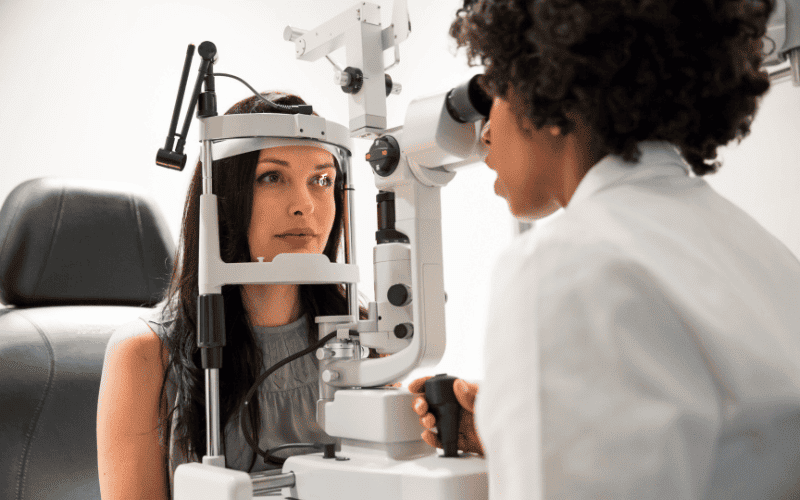
- Eye Health Assessment: Optometrists examine your eyes for signs of disease using tools such as slit-lamp microscopes and ophthalmoscopes.
- Refraction Tests: These tests help determine your precise prescription for eyeglasses or contact lenses.
- Pupil Dilation: Dilation allows a more comprehensive view of the back of your eye, helping to detect potential issues that aren’t visible otherwise.
5. The Role of Environment on Eye Health
- Allergy Season and Eye Care: High pollen count during allergy season can worsen symptoms like itchy, red, or watery eyes. Regular exams ensure these symptoms don’t develop into chronic issues.
- UV Exposure: The sunny climate means more exposure to harmful UV rays, which can increase the risk of cataracts. Routine exams help monitor any changes related to UV exposure.
- Pollution and Eye Irritation: Urban environments can expose residents to air pollutants that may irritate the eyes. Annual checkups help to address any resulting irritation and prevent further issues.
6. The Impact of Screen Time on Eye Health
- Digital Eye Strain: Hours spent in front of screens can lead to digital eye strain, characterized by dry eyes, blurred vision, and headaches. Optometrists can recommend adjustments and exercises to alleviate symptoms.
- Blue Light Exposure: Extended screen time increases blue light exposure, which can disrupt sleep and cause eye strain. Regular eye exams help monitor any effects and offer guidance on protective eyewear if necessary.
7. How Lifestyle and Health Changes Influence Eye Exam Frequency
- Pre-existing Health Conditions: Diabetes, hypertension, and autoimmune diseases can impact eye health. Adults with these conditions should prioritize annual eye exams.
- Pregnancy and Vision Changes: Hormonal changes and fluid retention during pregnancy can affect vision. Pregnant women experiencing vision changes should schedule an exam to ensure their eye health is maintained.
- High-Risk Jobs: If your job exposes you to risks such as UV rays or airborne irritants (e.g., in construction or agriculture), having more frequent exams to protect your vision is beneficial.
8. Scheduling Your Next Eye Exam in Houston
- Setting a Routine: Many adults delay their eye exams until symptoms appear. Scheduling a routine eye exam every one to two years helps maintain your vision proactively.
- Insurance and Eye Exam Frequency: Check your health insurance to see if it covers annual eye exams, as many policies encourage regular eye care.
- Selecting a Trusted Provider: In Houston, finding a reliable optometrist who understands local environmental factors can significantly affect your eye care routine.
Routine eye exams are vital for maintaining vision and overall health. If you’ve considered scheduling one soon in putting off your next eye exam, consider all the steps that can impact your health and quality of life.
Ready to book your eye exam? Contact us today to ensure your eyes are well cared for!