Heights Eye Studio
1533 N Shepherd Dr Ste 120, Houston, TX 77008


What Are The Signs Your Child Needs Glasses?

What Are The Signs Your Child Needs Glasses?
Good vision throughout childhood is essential for efficient learning and development. Several children face difficulty learning both at home and at school due to vision problems. Don’t let vision create a barrier to your child’s learning. Early action is always advisable, and consulting an eye doctor is a significant first step. Now, the most essential question arises- How will I understand that my child is facing sight-related issues? Especially when children fail to express their problems. The good thing is that multiple ways will clearly state the chances of your child requiring glasses. Let’s take a detailed look at those signs in this blog. As a parent, you should always be attentive to them.
Frequent Squinting or Tilting The Head
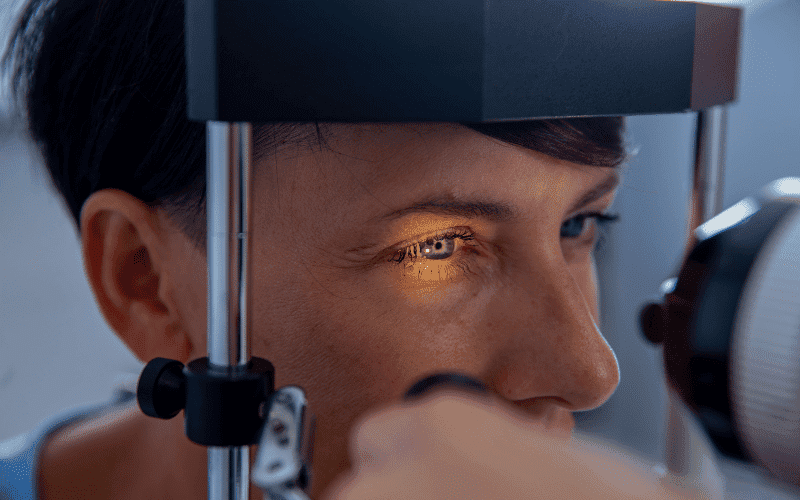
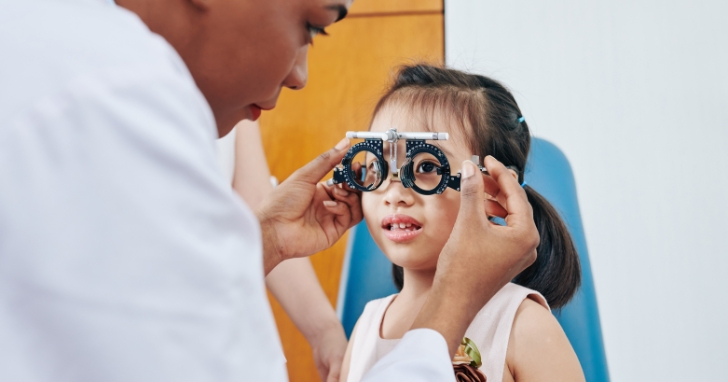
Squinting is very common amongst children suffering from sight-related problems. Do you know why they do it? Mainly because it helps them to get temporary better sight by restricting the amount of light entering the eyes. Also, check if your child tilts their head frequently and even closes one eye while reading or observing something. It can be a clear indication of blurry vision and problems in one eye. Nearsightedness, farsightedness, and astigmatism are the common problems associated with these symptoms. An eye doctor in Houston can conduct pediatric eye exams to detect the exact problem and provide glasses if required.
Sitting Too Close To The Screen And Holding Books Close
Is your child sitting very close to screens and also holding books very close? Don’t deal with it casually, as it can be a warning sign indicating a need for glasses. Nearsightedness is a common sight problem that affects children worldwide. What happens if one suffers from this problem? They can see anything that is very close, but their vision gets blurry as the distance increases. Children, at times, also face difficulties reading the whiteboards in school. Any eye doctor can conduct exams and offer corrective lenses for your child.
Complaints Of Headaches Or Eye Pain
There can be multiple reasons leading to eye pain and headaches among children, but persistent discomfort raises questions. Try noticing if your kid is especially facing these problems after a long screen time or after reading books. Is your kid complaining about tiring eyes or rubbing them too much? It can be due to overwork of the eye muscles, failing to achieve clear vision. Always take a proactive approach towards these symptoms and seek professional assistance as soon as possible. You should not waste time under such circumstances to take them to an eye doctor.
Trouble in School or Difficulty Concentrating
Vision problems can impact academic performance. If your child’s grades are dropping or they’re struggling to focus in class, poor vision might be the root cause. Children with uncorrected vision problems may struggle to read the board, complete homework, or maintain attention for extended periods. They may also avoid activities such as reading, coloring, or playing sports, which can indicate vision-related discomfort or difficulty.
Excessive Eye Rubbing or Watering
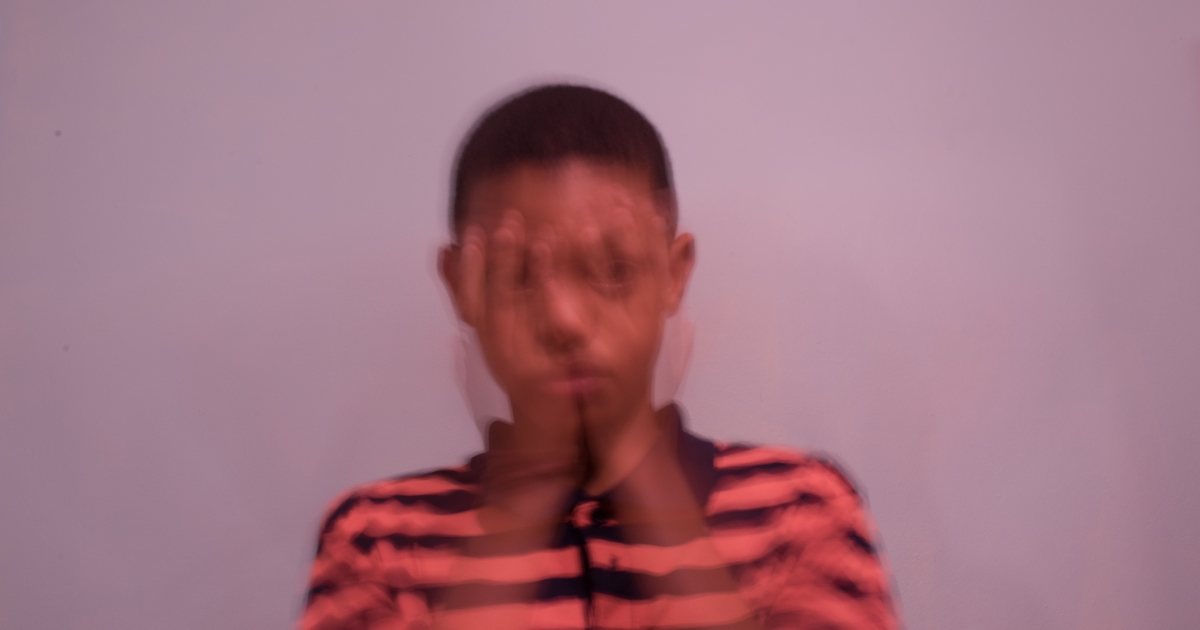
While occasional eye rubbing is usual, especially when tired, frequent rubbing can be a sign of eye strain or discomfort. Similarly, watery eyes may be a response to eye fatigue or an underlying vision issue. In some cases, these symptoms can also indicate allergies; however, if they persist, it is worth scheduling a comprehensive eye exam. Vision screenings at school often miss subtle vision problems—only a complete exam with an eye doctor can catch them all.
When in Doubt, Get an Eye Exam
Children may not always recognize or verbalize vision issues, which is why parents need to observe subtle changes in their behavior. From squinting and headaches to academic struggles, the signs your child needs glasses are often easy to spot when you know what to look for. If you notice any of these signs, schedule an appointment with a pediatric eye doctor. Early detection of sight-related problems can significantly impact your child’s learning and development.