Heights Eye Studio
1533 N Shepherd Dr Ste 120, Houston, TX 77008


What Are the Signs of Healthy Eyes?

What Are the Signs of Healthy Eyes?
Your eyes do more than help you see. They are crucial to your overall health, serving as windows to your body’s well-being. But how can you tell if your eyes are truly in good condition? Spotting the signs of healthy eyes can help you stay on top of your vision and detect any issues early. Let’s explore the telltale markers of optimal eye health and why regular visits to your opthalmologist are essential.
1. Clear Vision Without Strain
One of the clearest signs of healthy eyes is clear vision. If you can see objects near and far without squinting or strain, your eyes are likely in great shape. You shouldn’t need to blink hard or rub your eyes after reading or watching TV. When your vision feels effortless and natural, it’s a sign that your eyes work as they should. However, it may be time to visit an optometrist if you notice blurry vision.
2. Bright, White Sclera
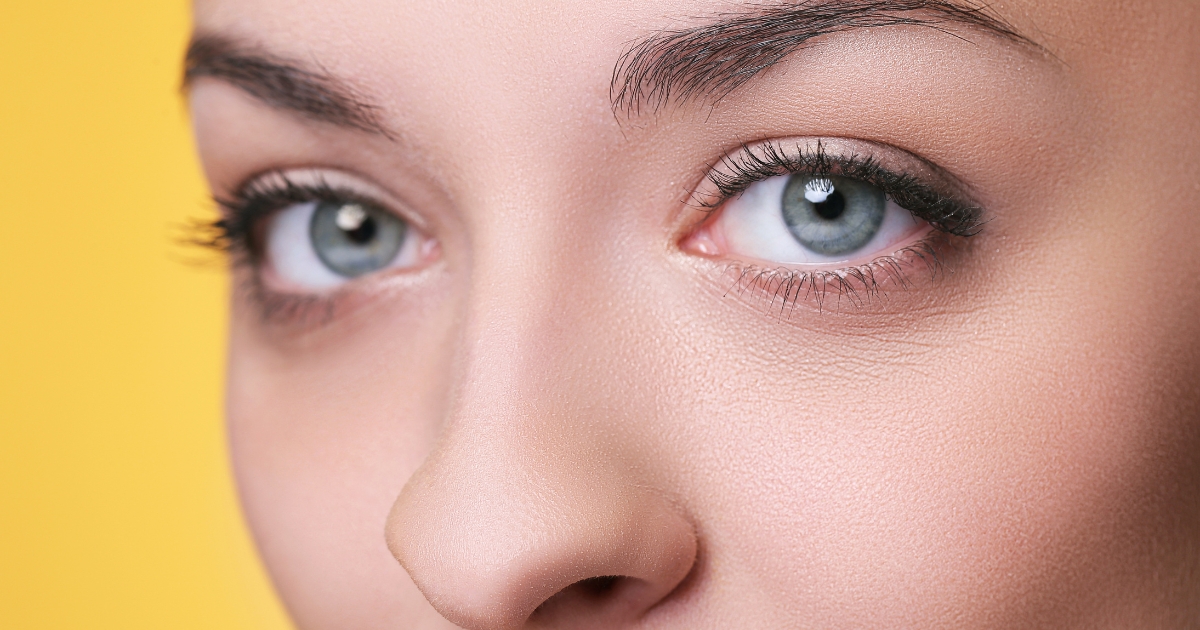
The sclera is the white part of your eye. In healthy eyes, it’s supposed to look, well, white. If your sclera is free of redness, discoloration, or visible blood vessels, that’s a good indicator that your eyes are functioning properly. Redness or yellowing could signal issues like infection, dryness, or allergies. A bright, white sclera means your eyes are likely well-hydrated and free of irritation.
3. Healthy, Well-Lubricated Eyes
Tears aren’t just for crying; they play a vital role in eye health. A thin layer of tears coats the surface of your eyes, keeping them lubricated and debris-free. If you rarely experience dry eyes or excessive tearing, that’s a positive sign. Healthy eyes maintain a balanced amount of moisture, helping you avoid the discomfort of dryness, itching, or that gritty feeling. Dry eyes, especially when persistent, may indicate that your tear production needs attention, which your eye doctor can address.
4. No Sensitivity to Light
Healthy eyes typically adapt well to different lighting conditions, whether bright sunlight or dim indoor lighting. If you frequently squint or experience discomfort in bright lights, it may suggest underlying issues such as eye strain or sensitivity. Normal eyes should be able to handle shifts in lighting without needing to reach for sunglasses at every turn. A good balance between light sensitivity and comfortable vision indicates that your eyes function optimally.
5. Pupils Respond to Changes in Light
Speaking of light, your pupils play a significant role in regulating how much of it enters your eyes. When you move from a dim room to a brighter one, your pupils should naturally contract to limit light intake. The reverse happens when you enter a darker environment—your pupils should expand to allow more light. This quick adjustment indicates that your eyes work as they should, effortlessly adapting to their surroundings.
If you ever notice that one pupil is larger than the other or reacts slowly to light, it’s worth getting a professional opinion from an optometrist. It could be a sign of a deeper issue that needs addressing.
6. Comfortable Vision After Screen Use
Staring at a computer, tablet, or phone has become a common part of life, whether for work or leisure. Healthy eyes should be able to handle screen time without causing discomfort or headaches. If you’re getting through your day without experiencing eye strain, blurry vision, or headaches, your eyes are likely in good health.
However, if screen use is causing discomfort or fatigue, it may be time to examine your habits. Regular breaks, good posture, and proper lighting can help, but persistent issues should prompt a visit to your eye doctor.
7. Full Range of Eye Movement
Healthy eyes move smoothly in all directions—left, right, up, and down—without discomfort or restricted range. Try this: look left and right without moving your head. Does it feel natural and easy? If so, your eye muscles are functioning well. Limited eye movement or discomfort when shifting your gaze might suggest an issue that requires attention.
A well-functioning range of motion indicates that your eye muscles are healthy and strong. Any stiffness or pain when looking around should prompt further investigation by a professional.
8. No Eye Pain or Discomfort
Eye pain is never normal. You shouldn’t experience discomfort during the day if your eyes are healthy. Pain, whether it’s a dull ache or a sharp sensation, can signal something is wrong. It could be as simple as eye strain from overuse or something more serious, like an infection. Either way, healthy eyes should be pain-free. If you notice discomfort, you must schedule an appointment with your optometrist.
9. Good Night Vision
Seeing well in low-light conditions, such as at night, is another sign of healthy eyes. Whether driving or walking through a dimly lit area, your vision should adapt, allowing you to navigate easily without straining. If you’re frequently struggling to see in the dark or notice halos around lights, it could indicate a potential vision problem. Healthy eyes should be able to manage both daylight and night conditions with ease.
10. No Floaters or Flashes
It’s normal to see an occasional floater—those little squiggly lines or spots that drift across your vision. However, if you notice a sudden increase in floaters or flashing lights in your field of vision, it’s worth seeing an eye doctor immediately. While these symptoms don’t always mean something is wrong, they can indicate a more serious issue, like retinal detachment. Healthy eyes typically have few floaters and shouldn’t interfere with daily life.
Why do Regular Eye Checkups Matter?
Even if your eyes seem healthy, regular checkups with your optometrist are vital. Some eye conditions, like glaucoma or macular degeneration, may not show symptoms in their early stages. Only a professional eye exam can catch these problems before they become serious. Routine eye exams help keep your eyes healthy and your vision sharp.
Healthy eyes make life clearer—literally and figuratively. Recognize these signs of good eye health to protect your vision for years. Whether it’s clear vision, comfortable screen use, or bright, white sclera, these small indicators can give you peace of mind that your eyes are in great shape. Don’t forget that seeing your optometrist regularly ensures you stay on top of any potential issues, keeping your eyes at their best.