Heights Eye Studio
1533 N Shepherd Dr Ste 120, Houston, TX 77008


More Than Just Vision: What Your Eye Exam Can Reveal

More Than Just Vision: What Your Eye Exam Can Reveal
Eye exams are often seen as just a way to check your vision. Many people believe they only need to go if they have trouble seeing clearly.
However, eye exams offer more than just a prescription for glasses or contacts. They can reveal important insights about your overall health.
During a thorough examination, eye specialists can identify early warning symptoms of serious eye disorders as well as systemic conditions like diabetes and hypertension. This makes regular eye exams essential, not just for maintaining good vision, but for ensuring your general well-being.
The Basics of an Eye Exam
What Happens During an Eye Exam:
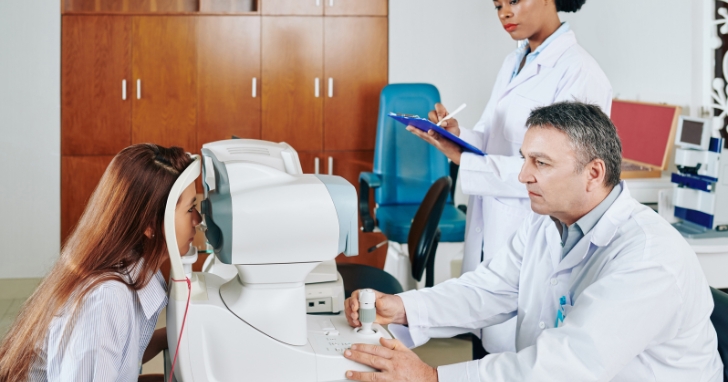
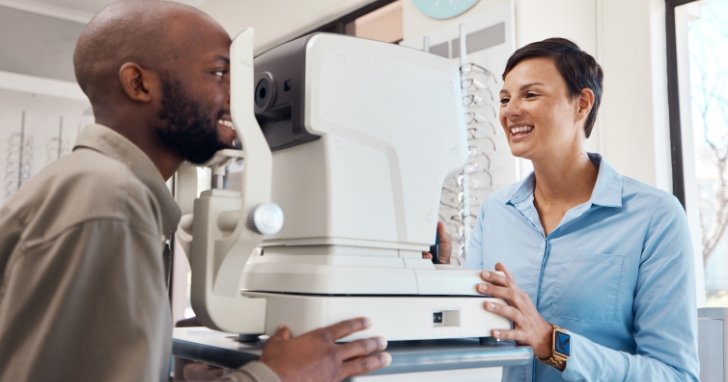
During an eye exam, several tests assess different aspects of your eye health. Common procedures include visual acuity tests to measure how well you see at various distances, and tonometry to check the pressure inside your eyes.
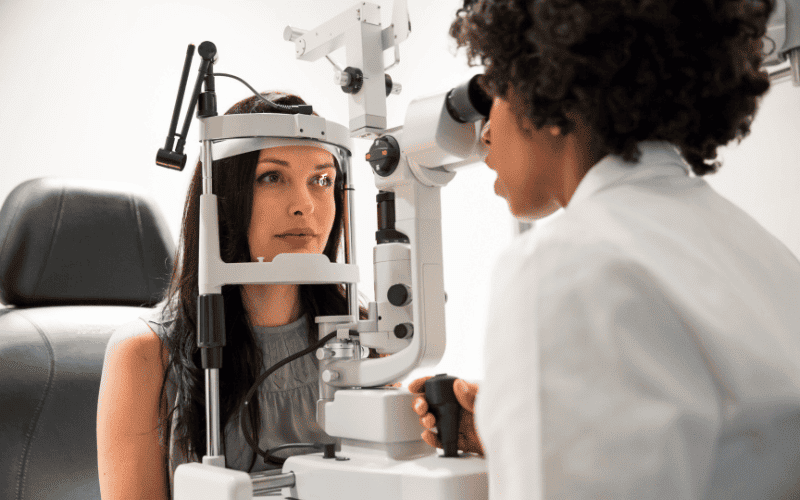
In addition, your eye doctor may use a retinal scan to see into your eye’s back and a slit lamp to assess the structures of your eye under magnification.
Types of Eye Exams:
There are different types of eye exams based on your needs. A routine eye exam typically includes basic vision tests and a general health check of your eyes. A comprehensive eye exam is more detailed, often involving additional tests to assess the overall health of your eyes and detect potential issues.
Specialized exams may be necessary if you have specific symptoms or a pre-existing condition, such as diabetic retinopathy, requiring focused attention.
Eye Health and Systemic Conditions
Diabetes: Eye exams can be crucial for people with diabetes. Diabetic retinopathy is a typical consequence caused by elevated blood sugar levels that damages the blood vessels in the retina. Early detection through an eye exam can prevent serious vision problems or even blindness.
Hypertension: High blood pressure can affect your eyes in several ways. It may result in alterations to the retina’s blood vessels, harming the retina that may be seen during an eye exam. Monitoring these changes is essential for managing hypertension and preventing further health issues.
High Cholesterol: Increased cholesterol can cause deposits in the blood vessels of the eyes, which are visible during an eye examination. These deposits might signal the need for further cardiovascular evaluations. Detecting high cholesterol through eye exams can prompt timely intervention and management.
Signs of Neurological Issues
Headaches and Migraines: Persistent headaches or migraines might be linked to vision changes. For example, migraines can cause temporary vision loss or visual disturbances. An eye exam can help determine if there’s a connection between your headaches and vision issues.
Brain Tumors: An ocular examination can identify the symptoms of some types of brain tumors. These might include abnormal changes in the eye’s retina or swelling of the optic nerve. An eye doctor might notice these signs and refer you for further testing if needed.
Early Detection of Eye Diseases
Glaucoma: Increased intraocular pressure in the eye can harm the optic nerve in glaucoma. Tests that monitor eye pressure and evaluate the condition of the optic nerve during adult eye exams in Houston can identify the early stages of glaucoma. Effective glaucoma management and treatment depend on early detection.
Macular Degeneration: This age-related condition affects the central vision. Macular degeneration early indicators can be found with regular eye exams. Monitoring the condition allows for timely intervention, which can help preserve vision and manage symptoms.
The Importance of Regular Eye Exams
Regular eye exams are crucial for maintaining both eye health and overall wellness. They serve as a preventive measure, allowing eye doctors to detect potential issues before they become serious problems.
During an eye exam, doctors check for vision clarity and screen for conditions like glaucoma, macular degeneration, and diabetic retinopathy. These conditions, if caught early, can often be managed more effectively, potentially saving your sight and preventing further health complications.
Additionally, eye exams may show symptoms of systemic health problems like diabetes, high blood pressure, and high cholesterol. By identifying these signs early, you can take proactive steps to manage your health, often before symptoms become apparent.
Regular check-ups also ensure that your prescription for glasses or contact lenses is up to date, which is essential for optimal vision and quality of life.
In summary, routine eye exams are an essential part of comprehensive health care. They help detect and address potential issues early, support overall health management, and contribute to your well-being.
Making eye exams a regular part of your health routine can lead to better long-term outcomes for both your eyes and your overall health.
Tips for a Successful Eye Exam
Preparing for Your Appointment: To make the most of your eye exam, bring any current eyewear and a list of medications you’re taking. If you have specific symptoms or concerns, make a note of them. This information helps your eye doctor provide the best care.
Questions to Ask Your Eye Doctor: Ask your eye doctor about any findings from the exam, such as changes in your vision or the health of your eyes. Inquire about the frequency of future exams, potential lifestyle changes, and any symptoms you should watch for.
Eye exams are more than just a check on your vision—they can reveal critical information about your overall health. From detecting systemic conditions to identifying early signs of eye diseases, regular eye exams are essential. Be proactive about your health and make eye exams a regular part of your wellness routine.