Heights Eye Studio
1533 N Shepherd Dr Ste 120, Houston, TX 77008


When Should Your Child Have Their First Eye Exam?


When Should Your Child Have Their First Eye Exam?
Most parents know the importance of preventive care to keep their children healthy. They are keen to keep all the appointments to the pediatrician or family doctor but tend to overlook the importance of an eye exam. Some parents don’t see the need to schedule an eye exam for their kids unless a problem develops.
You are probably thinking about why you should take your toddler or infant for an eye exam since they cannot read an eye chart yet. While this makes some sense, it is important to start early to avoid eye problems that can affect your child’s vision for life. How soon and how often should you take your children for eye exams?
It Is Important To Start Early
Some experts recommend a comprehensive eye exam by age one. These exams should continue before a child goes to school even when they don’t have evident eye problems. According to research, 25 percent of school-age children and 10 percent of preschoolers have vision problems. A study by AOA (American Optometric Association) shows that 80 percent of children’s learning occurs through the eyes.
If eye problems are not detected early, they can affect learning. It is unfortunate that some vision problems don’t have obvious symptoms and signs. The only way to ensure your child does not have visual problems is to have routine eye exams.
Some states have a bill requiring children below the age of six to have a comprehensive eye exam before entering a public school. In some cases, a child may require having their first eye exam much earlier if:
- They have a parent or sibling with a major eye problem. This applies to children who have both parents with myopia.
- The parents suspect their toddler may have eye problems.
- Their pediatrician detects an eye problem and recommends further testing.
What To Expect During The First Eye Exam
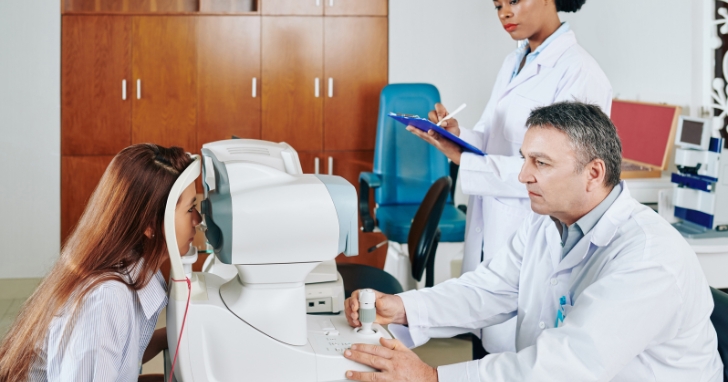
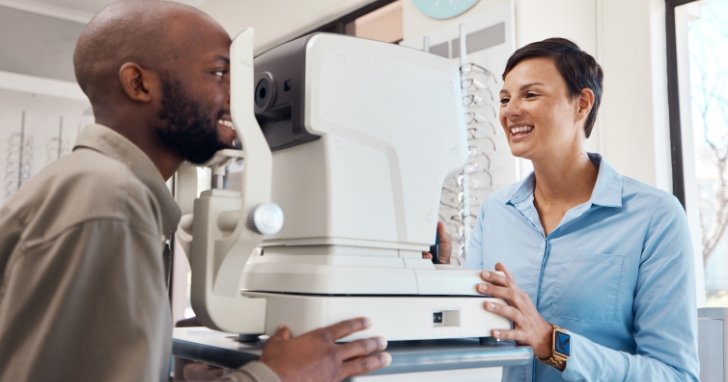
Eye exams for toddlers and infants who are younger than one year are different from older kids who can read. Eye doctors turn these exams into games. During the exam, the eye doctor checks how the eyes react to changes in light, makes sure the eyes line up correctly, and checks how the eyes move. The eye doctor also performs a series of tests to check for astigmatism, farsightedness, and nearsightedness.
For children who are older than three years, the eye doctor performs vision screenings using letters, pictures, or eye chart tests. These tests determine if your child can give accurate details of objects and measure their vision clarity.
How To Spot An Eye Problem
Take your child for regular eye exams as they grow up. However, it is important as a parent to be on the lookout for any signs of eye problems. Be concerned about the health of your child’s eyes if he is not pointing in the same direction, keeps rubbing his eyes, has problems with his hand-eye coordination, has problems reading, and complains of eyestrain or headaches.
Speak to your eye doctor immediately after you notice any of these signs. The earlier you address these problems, the better. Eye problems not only affect your child’s vision but also affects their overall health and quality of life.
To know when your child should have their first eye exam, visit Heights Eye Studio at 1533 N Shepherd Dr Ste 120, Houston, TX 77008. You can also book an appointment online or call 832-975-7020 to book an appointment today.