Heights Eye Studio
1533 N Shepherd Dr Ste 120, Houston, TX 77008


Understanding Common Eye Infections: Causes, Symptoms, and Treatments

Understanding Common Eye Infections: Causes, Symptoms, and Treatments
Our eyes are delicate and intricate organs that play a crucial role in our daily lives, allowing us to experience the world around us. However, like any other part of our body, our eyes are not immune to infections. Eye infections can range from mild irritations to serious conditions that require prompt medical attention. In this article, we will delve into the world of common eye infections, exploring their causes, symptoms, and available treatments. If you’re experiencing any symptoms of an eye infection, it’s important to consult an eye doctor for proper diagnosis and care.
Common Causes of Eye Infections
Eye infections can be caused by various factors, including viruses, bacteria, fungi, and parasites. Some infections are highly contagious and can spread easily, especially in crowded places or through close contact. Here are some common causes of eye infections:
- Bacterial Conjunctivitis (Pink Eye): This infection is characterized by redness, itching, and a discharge from the eye. It can be caused by various bacteria and is highly contagious.
- Viral Conjunctivitis: Often referred to as “pink eye” as well, this type of infection is caused by viruses and can cause redness, tearing, and a gritty sensation in the eyes.
- Stye: A stye is a painful lump on the eyelid that is typically caused by a bacterial infection in the oil glands of the eyelids.
- Keratitis: This infection affects the cornea, the clear front surface of the eye. It can be caused by bacteria, viruses, fungi, or parasites and can lead to discomfort, pain, and blurry vision.
- Fungal Eye Infections: Fungal infections are rare but can occur after an eye injury involving plant material or soil. They can cause severe inflammation and require immediate medical attention.
Symptoms of Eye Infections
The symptoms of an eye infection can vary depending on the type of infection and its severity. Common symptoms include:
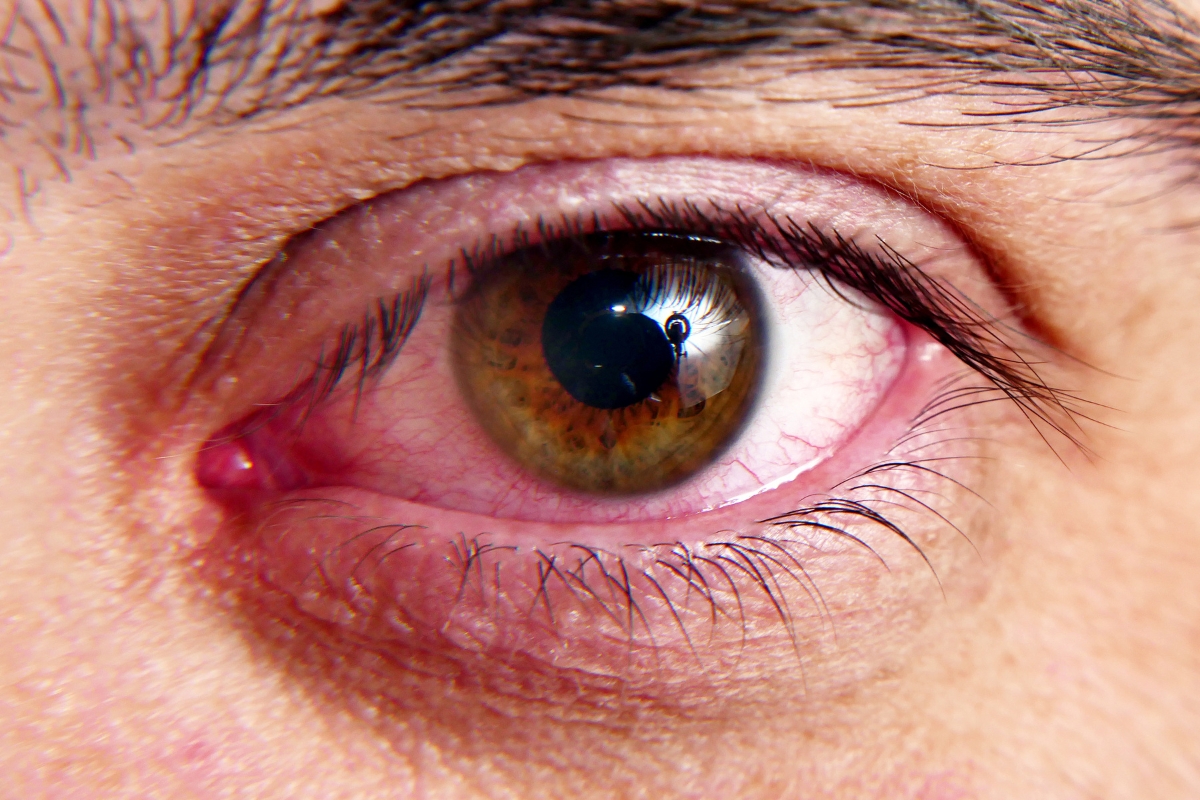
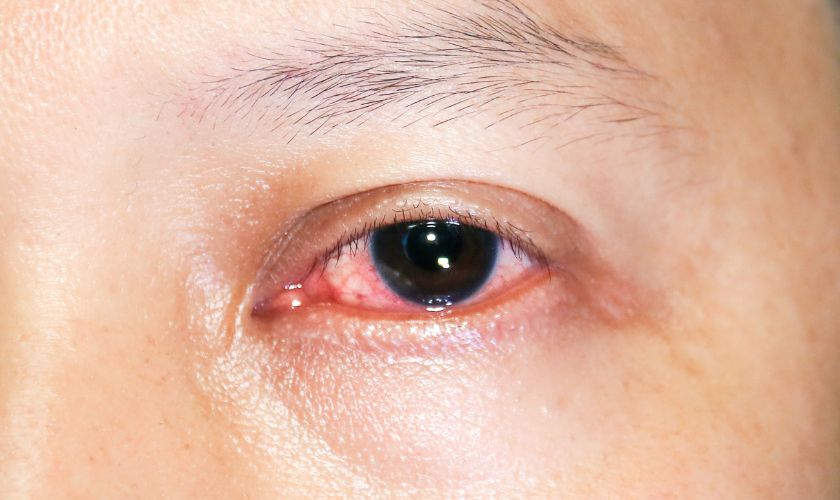
- Redness in the white part of the eye (sclera)
- Itching or burning sensation
- Watery or thick discharge
- Sensitivity to light
- Blurred or hazy vision
- Pain or discomfort
- Swelling of the eyelids
- Foreign body sensation
Role of an Eye Doctor
If you’re experiencing any symptoms of an eye infection, seeking the expertise of an eye doctor is crucial. An eye doctor (ophthalmologist or optometrist) has the knowledge and tools to accurately diagnose the infection, determine its underlying cause, and recommend the appropriate treatment. They can provide personalized care and advice, taking into account your medical history, lifestyle, and overall eye health.
Treatments for Eye Infections
Treatment for eye infections depends on the type of infection and its severity. An eye doctor will tailor the treatment plan to your specific condition. Common treatments include:
- Prescription Medications: Antibiotic eye drops, antiviral medications, or antifungal creams can effectively treat infections caused by microorganisms.
- Warm Compresses: Applying warm compresses can help relieve discomfort and promote healing, particularly in cases of styes and blepharitis.
- Artificial Tears: Lubricating eye drops can soothe dryness and alleviate irritation.
- Hygiene and Lifestyle Changes: An eye doctor may recommend changes in your hygiene routine or lifestyle habits to prevent recurring infections.
Maintaining healthy eyes is crucial for our overall well-being, and understanding common eye infections is an important step towards achieving that goal. If you suspect you have an eye infection, don’t hesitate to seek help from a qualified eye doctor. At Heights Eye Studio in Houston, we are committed to providing exceptional eye care to our community. Remember, your eyes deserve the best care, so prioritize your eye health and let the experts at Heights Eye Studio be your partners in maintaining clear, comfortable vision. At Heights Eye Studio in Houston, our experienced eye doctors are here to help you maintain optimal eye health.
Remember, the information provided in this article is for educational purposes only and should not be considered medical advice. Always consult with a qualified healthcare professional for proper diagnosis and treatment of any health-related issues.