Heights Eye Studio
1533 N Shepherd Dr Ste 120, Houston, TX 77008


How to Prepare for Your Eye Exam: Tips for a Smooth Visit

How to Prepare for Your Eye Exam: Tips for a Smooth Visit
Maintaining healthy eyesight and general eye health depends on routine eye exams. Regular check-ups can detect issues early, prevent complications, and ensure your eyes are functioning well. If you are preparing for your eye exam, knowing what to expect and how to prepare can make your visit smoother and more effective.
This blog will walk you through the procedures to follow to have a positive experience before, during, and following your eye test.
Understanding the Eye Exam
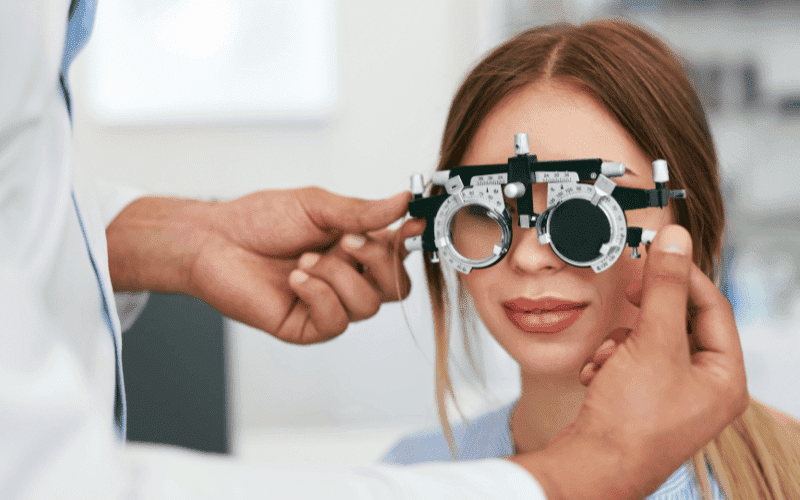
An eye exam evaluates your vision and eye health. During the visit, you will undergo several tests to assess various aspects of your eyes. Common tests include:
- Visual Acuity Test: Measures how well you see at different distances using an eye chart.
- Refraction Test: Determines your prescription for glasses or contact lenses.
- Slit Lamp Examination: Uses a microscope to examine the front part of your eyes.
- Fundus Examination: Check the back of your eyes, including the retina, for any issues.
- Intraocular Pressure Test: Measures the pressure inside your eyes to screen for glaucoma.
Each of these tests provides important information about your eye health and helps your eye care professional determine if you need corrective lenses or further treatment.
Schedule and Preparation
Booking Your Appointment:
Choosing the right eye care professional is crucial for a successful eye exam. When selecting an optometrist or ophthalmologist, consider their credentials, experience, and patient reviews. Look for professionals who are board-certified and have a good reputation in their field.
If you are searching for eye exams in Houston, seek out clinics with positive feedback and a history of excellent care. Many eye care centers offer consultations or initial assessments to help you determine if they’re the right fit for you.
Frequent ocular examinations are necessary to preserve excellent eyesight and identify possible problems early. Schedule your eye exams at least once every two years, or more frequently if advised by your eye care provider.
Consistent check-ups help monitor changes in your vision and ensure any emerging problems are addressed promptly.
Before the Appointment:
Be sure your eye exam is covered by your insurance by checking with your physician to minimize any surprises. Review your policy details to understand what’s included and whether you need to obtain any referrals or pre-authorizations. Contact your insurance company well in advance to avoid any last-minute complications.
Additionally, make a list of any symptoms or concerns you’ve been experiencing. This might include changes in your vision, discomfort, or any other issues related to your eyes. Bring this list with you to your appointment to ensure you cover all your concerns with your eye care professional.
By being prepared, your eye care professional will be able to customize the examination to meet your unique needs and offer the most accurate diagnosis.
What to Bring?
- Essential Documents: Bring your insurance card, a valid ID, and any necessary medical records. These documents ensure that your visit is covered and that your eye care professional has all the needed information.
- Personal Information: Prepare a list of current medications, including any over-the-counter supplements. Additionally, provide details about any recent changes in your vision or eye health. This information helps your eye care provider get a complete picture of your eye health.
Preparing Your Eyes
- What to Avoid: Avoid wearing eye makeup on the day of your exam to ensure accurate testing. If you wear contacts, take out your lenses in advance of your consultation as directed by your eye care provider.
- How to Care for Your Eyes: Maintain good eye health by keeping your eyes hydrated and protecting them from strain. Avoid prolonged screen time and follow the 20-20-20 rule: every 20 minutes, look at something 20 feet away for at least 20 seconds.
During the Exam
- What to Expect: During your eye exam, you will undergo various tests, including vision tests and possibly dilation of your pupils. Dilation helps your eye care professional get a better view of the retina and optic nerve.
- Tips for a Comfortable Experience: Communicate openly with your eye care professional about any discomfort or concerns. If you are anxious about any part of the exam, let them know so they can address your concerns and make the process as comfortable as possible.
After the Exam
- Follow-Up: After your exam, review your results with your eye care professional. Discuss any recommended treatments or changes in your prescription. Schedule follow-up appointments if necessary to monitor your eye health.
- Post-Exam Care: If your eyes are dilated, wear sunglasses to protect them from light sensitivity. Follow any specific post-exam care instructions given by your eye care provider.
Preparing well for your eye exam can make the visit smoother and more efficient. Remember to schedule regular eye check-ups to maintain your vision and eye health. Taking these steps ensures that your eye care experience is positive and that you get the most accurate results. For eye exams, find a trusted professional and follow these tips to ensure a successful visit.