Heights Eye Studio
1533 N Shepherd Dr Ste 120, Houston, TX 77008


Types of Eye Tests That Are Part of a Healthy Eye Exam

Types of Eye Tests That Are Part of a Healthy Eye Exam
Our eyes are our windows to the world, allowing us to witness its beauty and navigate through life. Just as we prioritize regular check-ups for our physical well-being, our eyes also deserve attention through comprehensive eye exams. This blog unveils the array of eye tests that constitute a healthy eye exam, shedding light on their significance in maintaining optimal vision. So, let’s embark on a journey through the realm of eye tests to ensure the clarity of your vision and the health of your eyes.
Understanding the Importance of Eye Tests
Before we delve into the specific types of eye tests, it’s essential to understand why regular eye exams, forming a key part of healthy eye care, are crucial. Our eyes, like any other part of our body, can face various issues that may go unnoticed in our day-to-day lives. Regular eye exams help in detecting refractive errors and act as a preventive measure against potential eye diseases, making them a cornerstone of a comprehensive and healthy eye exam. The sooner issues are identified, the more effective the treatment, emphasizing the importance of a proactive approach to eye care.
Types of Eye Test: Choosing the Right One
Visual Acuity Test
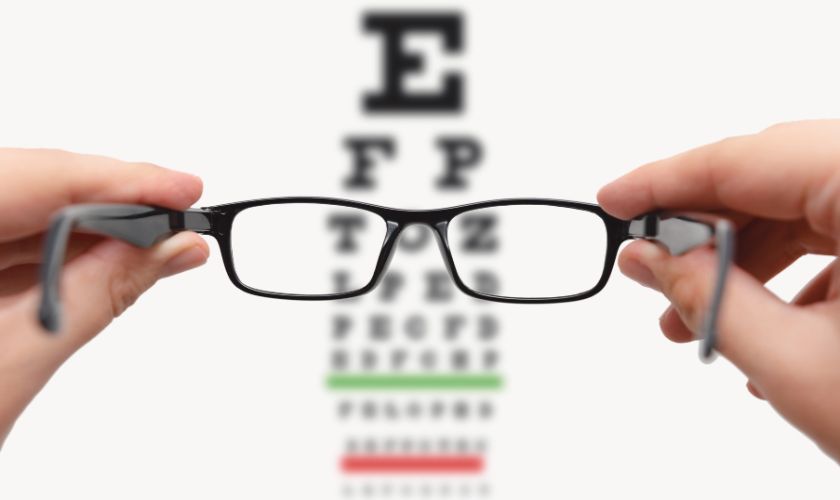
The visual acuity test, commonly known as the eye chart test, is the one we all recognize. Your eye doctor in Houston will ask you to read letters or symbols from a distance to assess how well you can see. This test helps determine if you need corrective lenses and gives a baseline for further assessments.
Refraction Test
The refraction test fine-tunes your prescription for glasses or contact lenses. The optometrist uses a phoropter to present different lenses and asks which ones provide the clearest vision. This test ensures your eyewear corrects any refractive errors accurately.
Visual Field Test
A visual field test evaluates your peripheral vision, ensuring you can see objects outside your direct line of sight. This test is crucial for detecting conditions like glaucoma, which often first affects peripheral vision. Types of eye tests, including visual field assessments, play a vital role in comprehensive eye care. By mapping your visual field, optometrists can identify potential issues early on.
Tonometry
Tonometry measures the pressure inside your eyes, a key factor in detecting glaucoma. Increased intraocular pressure can damage the optic nerve. As a result, it leads to vision loss. Thankfully, early detection through tonometry allows for timely intervention to manage and prevent further damage.
Slit-lamp Examination
The slit-lamp examination involves using a specialized microscope to get a close-up view of the structures within your eyes. Optometrists can examine the cornea, lens, iris, and other parts for abnormalities or signs of diseases like cataracts or macular degeneration.
Pupil Dilation
Pupil dilation involves using eye drops to widen the pupils, allowing a more thorough examination of the retina. This test is particularly crucial for assessing the health of the optic nerve and detecting conditions like diabetes or age-related macular degeneration.
Color Vision Testing
Color vision testing ensures you can differentiate between various colors accurately. Deficiencies in color vision can indicate underlying health issues or genetic factors. Detecting these issues early on can help in adapting to the condition and managing its impact on daily life.
Retinal Imaging
Advancements in technology have brought about retinal imaging, allowing optometrists to capture detailed images of the retina. These images provide a comprehensive view of the back of the eye. Also, it helps to identify issues such as retinal detachment, diabetic retinopathy, or age-related macular degeneration.
In the quest for optimal eye health, there’s no one-size-fits-all approach. A tailored combination of these eye tests, based on your individual needs and health history, forms the foundation of a comprehensive eye examination. Remember, regular eye exams are not just about seeing clearly; they’re about safeguarding the well-being of your eyes. So, when you next embark on an eye care journey, rest assured that each test plays a unique role in preserving the health of your precious vision.
Why Regular Check-ups Matter: The Importance of Consistent Eye Exams
Early Detection of Silent Threats
Regular eye exams are the frontline defenders against silent threats to your vision. Many eye conditions, like glaucoma and diabetic retinopathy, show little to no symptoms in their early stages. Through consistent check-ups, your eye doctor can catch these issues before they escalate, preventing potential vision loss.
Preserving Sharp Vision
Regular exams help in maintaining the clarity of those captured images. By detecting changes in your vision early on, your eye doctor can adjust prescriptions or suggest interventions to preserve the sharpness of your sight.
Monitoring Prescription Changes
Our eyes, much like the rest of our body, change over time. Regular eye exams help monitor these changes, especially in terms of prescription needs. Adjusting your glasses or contact lens prescription ensures that you’re always seeing the world as clearly as possible.
In the symphony of life, our eyes play a melody of vision and perception. Nurturing this gift requires attention, care, and regular check-ups with your eye doctor. From visual acuity tests to comprehensive retinal examinations, each type of eye test contributes to the symphony of your visual health, ensuring a healthy eye exam experience. Embrace the clarity that comes with understanding these tests, and embark on a journey towards your best eye exam experience. Remember, your eyes deserve the best care, and a proactive approach to eye health can make a significant difference in the quality of your vision and overall well-being.