Heights Eye Studio
1533 N Shepherd Dr Ste 120, Houston, TX 77008


What Are The 3 Common Symptoms Of Dry Eye Syndrome?


What Are The 3 Common Symptoms Of Dry Eye Syndrome?
In a world dominated by screens and digital devices, our eyes often bear the brunt of our modern lifestyle. Dry Eye Syndrome (DES) has emerged as a prevalent condition affecting individuals across all age groups. The discomfort and irritation associated with dry eyes can significantly impact one’s quality of life, making it crucial to recognize and address the symptoms. This blog aims to shed light on three common symptoms of Dry Eye Syndrome, providing insights into the intricacies of this condition. Understanding these symptoms is not only essential for self-awareness but also for seeking timely assistance from a dry eye specialist for comprehensive eye care.
The Blink of Awareness: Dry Eye Syndrome Unveiled
Dry Eye Symptom 1: Persistent Dryness and Irritation
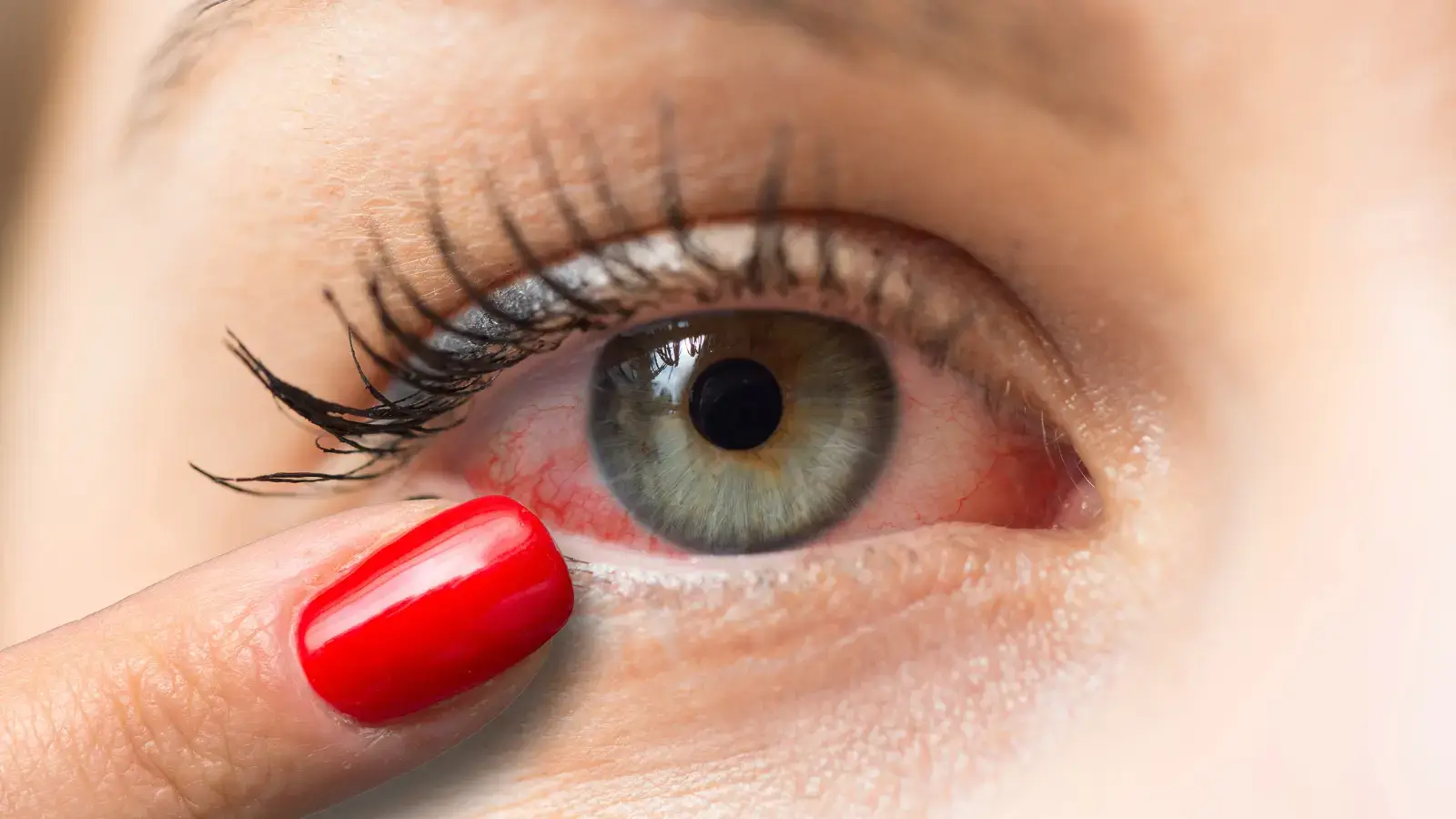
The hallmark symptom of Dry Eye Syndrome is a persistent sensation of dryness and irritation in the eyes. Individuals experiencing this symptom often describe it as a feeling of grittiness or the presence of a foreign body in the eye. This discomfort can intensify during activities that require prolonged focus, such as reading, working on a computer, or watching television.
Short and simple sentences help convey the message clearly, allowing readers to grasp the information without feeling overwhelmed. If you find yourself frequently reaching for artificial tears or rubbing your eyes to alleviate discomfort, it’s time to consider the possibility of Dry Eye Syndrome.
Dry Eye Symptom 2: Excessive Tearing
Counterintuitive as it may seem, excessive tearing can be another telltale sign of Dry Eye Syndrome. When the eyes lack sufficient lubrication, they respond by producing more tears in an attempt to compensate for the dryness. These tears, however, do not possess the necessary composition to keep the eyes properly moisturized.
If you find yourself experiencing watery eyes without an apparent reason, it may be a sign that your eyes are not producing the right quality of tears. Consulting a dry eye specialist in Houston can help identify the underlying causes and establish an effective dry eye treatment plan.
Dry Eye Symptom 3: Sensitivity to Light
Light sensitivity, also known as photophobia, is another common symptom of Dry Eye Syndrome. Individuals with DES often find themselves squinting or experiencing discomfort when exposed to bright lights, whether natural sunlight or artificial illumination. This sensitivity can contribute to headaches and further exacerbate the overall discomfort associated with dry eyes.
Solutions for Dry Eye Syndrome
While recognizing the symptoms is crucial, understanding and implementing effective solutions can significantly enhance your eye comfort and overall well-being. Let’s delve into various strategies and lifestyle adjustments recommended by dry eye specialists to combat Dry Eye Syndrome.
Artificial Tears and Lubricating Eye Drops
The go-to solution for many experiencing dry eyes is the use of artificial tears and lubricating eye drops. These over-the-counter remedies can provide immediate relief by supplementing the natural tear film and alleviating dryness. Consider keeping a bottle handy, especially during activities that may exacerbate symptoms, such as prolonged screen time.
Warm Compresses
Applying warm compresses to your closed eyes can help stimulate the production of natural oils in the eyelids. Basically, it helps in improving the quality of tears. This simple and soothing technique can be easily incorporated into your daily routine, offering relief from dryness and irritation.
Hydration and a Balanced Diet
Staying well-hydrated is essential for overall health, including the health of your eyes. Drinking an adequate amount of water helps maintain the moisture balance in your body, which can positively impact tear production. Additionally, incorporating omega-3 fatty acids into your diet, found in foods like fish, flaxseeds, and walnuts, can support your health.
Blinking Exercises
In the era of digital devices, we often forget to blink regularly, leading to increased evaporation of tears. Simple blinking exercises, such as consciously blinking every 20 minutes, can help distribute tears evenly and prevent dryness. These exercises are easy to integrate into your daily routine, even if you’re working or studying for extended periods.
Prescription Medications
For more severe cases of Dry Eye Syndrome, a dry eye specialist may prescribe medications to address specific underlying issues. Prescription eye drops aim to reduce inflammation and promote a healthier tear film. Following your specialist’s guidance on the proper use of these medications is crucial for optimal results.
Dry Eye Syndrome is a prevalent yet often underestimated condition that can significantly affect your daily life. Consulting a dry eye specialist in Houston is essential for personalized advice tailored to your specific condition. These specialists can conduct comprehensive assessments to determine the most suitable combination of strategies to alleviate your symptoms. By incorporating these straightforward solutions into your daily routine, you can take proactive steps toward managing and mitigating the impact of Dry Eye Syndrome. Prioritizing your eye health through these practical measures ensures that you can enjoy clearer, more comfortable vision in your day-to-day activities. If you are suffering any of these symptoms don’t hesitate to visit Heights Eye Studio ASAP.