Heights Eye Studio
1533 N Shepherd Dr Ste 120, Houston, TX 77008


The Tears Of Our Times: Why Dry Eye Is More Common Than You Think


The Tears Of Our Times: Why Dry Eye Is More Common Than You Think
For centuries, tears have been a symbol of our deepest emotions. But in our modern times, many of us are experiencing a different kind of tear issue- dry eye. This frustrating condition, characterized by a lack of lubrication in the eyes, is becoming increasingly common. In comparison, it might seem like a minor inconvenience, but dry eyes can significantly impact your daily life, causing discomfort, blurry vision, and even light sensitivity.
Today’s blog is surrounded by the complexities of dry eye syndrome, exploring its causes, symptoms, and potential remedies to help you out of this frustrating condition and restore comfort to your daily routine. We’ll also delve into how specialists can help manage and treat dry eyes, offering professional insights & advanced solutions for long-term relief.
Understanding Dry Eye: A Multifaceted Problem
Dry eye occurs when the tear film, a vital layer protecting your eyes, is disrupted. This film consists of three layers: an oily outer layer to prevent tear evaporation, a middle watery layer for hydration, and an inner mucous layer for even tear distribution. If any of these layers are compromised, dry eye can occur.
Here are some of the leading causes of dry eye:
- Age: As we age, our tear production naturally decreases due to changes in the glands that produce tears. This decline can lead to a reduced volume of tears and a change in their composition, making them less effective at keeping the eyes lubricated.
- Digital Eye Strain: Prolonged screen time can lead to reduced blinking, which can dry out your eyes. Blinking is essential for spreading tears evenly across the surface of the eye, providing necessary moisture, and removing irritants. When we focus intently on digital screens, our blink rate tends to decrease, leading to less frequent and incomplete blinks.
- Environmental Factors: Dry air, wind, and cigarette smoke can all irritate and dry out your eyes, making environmental factors a significant contributor to dry eye syndrome.
- Medical Conditions: Certain medical conditions, such as autoimmune diseases and allergies, can contribute to dry eye. Autoimmune diseases like Sjögren’s syndrome, rheumatoid arthritis, and lupus can directly affect the glands that produce tears, reducing tear production and altering tear composition.
- Medications: Some medications, like antihistamines and antidepressants, can list dry eye as a side effect, and their use can significantly contribute to the development of dry eye syndrome.
Symptoms of Dry Eye: Are You Suffering in Silence?
Dry eye can manifest in various ways, some more obvious than others. Here are some common symptoms to watch out for:
- Gritty feeling in the eyes
- Burning or stinging sensation
- Watery eyes (paradoxically)
- Blurry vision, especially after using screens
- Light sensitivity
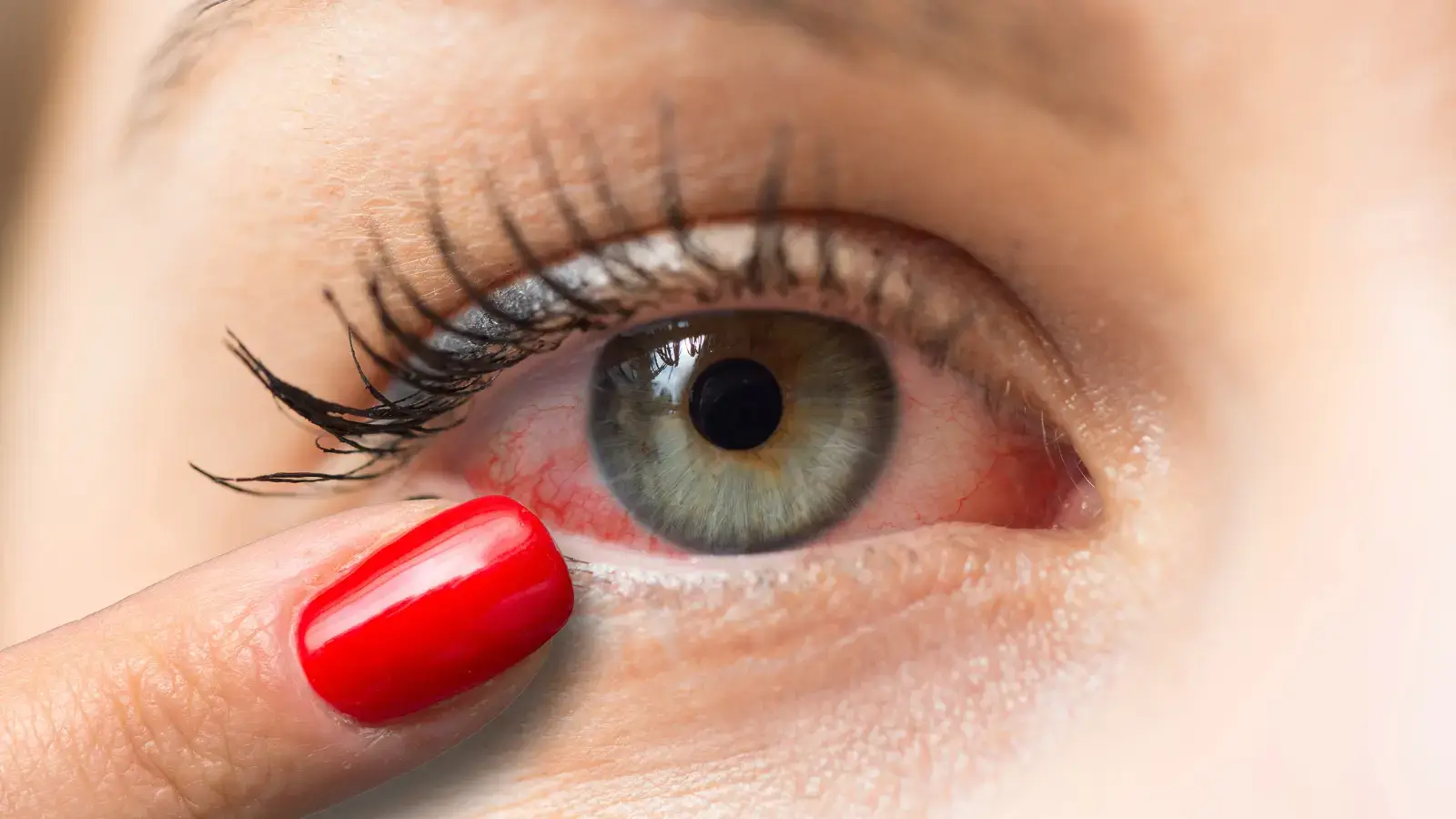
- Increased redness
- Discomfort when wearing contact lenses
If you consistently experience several of these symptoms, seeking professional help is crucial. Early diagnosis and treatment can significantly improve your quality of life.
How Specialists Can Help: Finding Relief for Dry Eye
Dry eye can be a complex condition, and often, a combination of approaches is needed for effective management. This is where dry eye specialists come in. These ophthalmologists or optometrists have extensive knowledge and experience in diagnosing and treating dry eye.
Here’s what you can expect from a dry eye specialist:
- Comprehensive Diagnosis: They will perform a detailed examination to detect the underlying cause of your dry eye and determine its severity.
- Personalized Treatment Plan: There’s no one-size-fits-all approach to dry eye treatment. Dry eye specialists in Houston will create a customized plan using various methods based on your specific needs. This might include:
- Artificial tears: Lubricating eye drops to supplement your natural tear production.
- Punctal plugs: Tiny inserts that block tear drainage ducts, helping retain natural tears.
- Lid hygiene: Techniques to remove debris and inflammation from your eyelids.
- Anti-inflammatory medications: To reduce inflammation on the ocular surface.
- Lifestyle modifications: Recommendations on reducing screen time, using humidifiers, and managing environmental triggers.
Living with Dry Eye: Taking Control of Your Comfort
While dry eye doesn’t have a permanent cure, it is effectively manageable with proper treatment and lifestyle changes. Here are some tips to help you cope with dry eye:
- Blink frequently, especially when using screens.
- Use a humidifier to add moisture to the air.
- Take breaks from screens and give your eyes a rest.
- Wear sunglasses that block wind and UV rays.
- Clean your eyelids regularly with a gentle cleanser recommended by your doctor.
- Apply warm compresses to your eyes to stimulate tear production.
In the end, Dry eyes don’t have to be a constant source of frustration. By understanding the causes and symptoms, seeking professional help from dry eye specialists in Houston, and implementing appropriate strategies, you can regain control of your eye health and enjoy clear, comfortable vision for years. Dry eye specialists in Houston can provide the expertise and guidance you need to navigate this condition effectively and find long-lasting relief.
Trending FAQs On Dry Eyes Syndrome!
1. Is dry eye contagious?
No, dry eye is not contagious. It’s caused by an imbalance in your tear film, not a virus or bacteria.
2. Can blue light from screens cause dry eye?
While blue light itself doesn’t directly cause dry eye, staring at screens for extended periods can lead to decreased blinking, which can contribute to dry eye symptoms.
3. Are there any dietary changes that can help with dry eye?
Omega-3 fatty acids found in fatty fish, flaxseed, and walnuts may help improve tear quality. However, it’s best to discuss dietary changes with your doctor or a dry eye specialist.
4. What’s the difference between dry eye and allergies?
Dry eye is caused by a lack of tears or poor-quality tears. Allergies often cause itchy, watery eyes, while dry eyes can lead to a burning or stinging sensation. Consulting a doctor or dry eye specialist can help with proper diagnosis.
5. Are there any new treatments for dry eye?
Yes! There’s ongoing research and development in dry eye treatments. Some newer options include in-office procedures to stimulate tear production or special types of contact lenses designed to retain moisture. Dry eye specialists can discuss these options with you to see if they’re a good fit for your specific case.