Heights Eye Studio
1533 N Shepherd Dr Ste 120, Houston, TX 77008


What Are the Signs of Dry Eyes?

What Are the Signs of Dry Eyes?
Are your eyes feeling itchy, irritated, or constantly tired? You might be experiencing the frustrating symptoms of dry eyes. Whether you’re an avid screen user, suffer from allergies, or just want to know more about this common condition, we’ve got you covered. In this blog post, we’ll delve into the world of dry eyes and explore the telltale signs that could indicate you’re dealing with this pesky problem. So grab a warm cup of tea and get ready for some eye-opening information!
Introduction to dry eyes
Dry eyes, also known as dry eye syndrome, is a common condition that occurs when your tears are unable to provide adequate moisture and lubrication for your eyes. This can lead to discomfort, irritation, and even vision problems. Dry eyes may occur due to a variety of reasons such as aging, hormonal changes, certain health conditions, or environmental factors.
In this section, we will delve deeper into the causes and symptoms of dry eyes to help you better understand this condition.
Causes of dry eyes
There are several potential causes of dry eyes. One of the most common causes is a decrease in tear production. As we age, our tear glands may produce fewer tears leading to inadequate lubrication for the eyes. Other factors that can contribute to decreased tear production include certain medications (such as antihistamines), medical conditions (like diabetes or thyroid disorders), and hormonal changes (such as menopause).
Dry eyes, also known as dry eye syndrome or keratoconjunctivitis sicca, can manifest with a variety of symptoms. The signs and symptoms of dry eyes can range from mild to severe and may include:
- A gritty or sandy feeling in the eyes: Many people with dry eyes describe the sensation of having a foreign body, like sand or grit, in their eyes.
- Stinging or burning sensation: Dry eyes can cause discomfort, often described as a burning or stinging sensation.
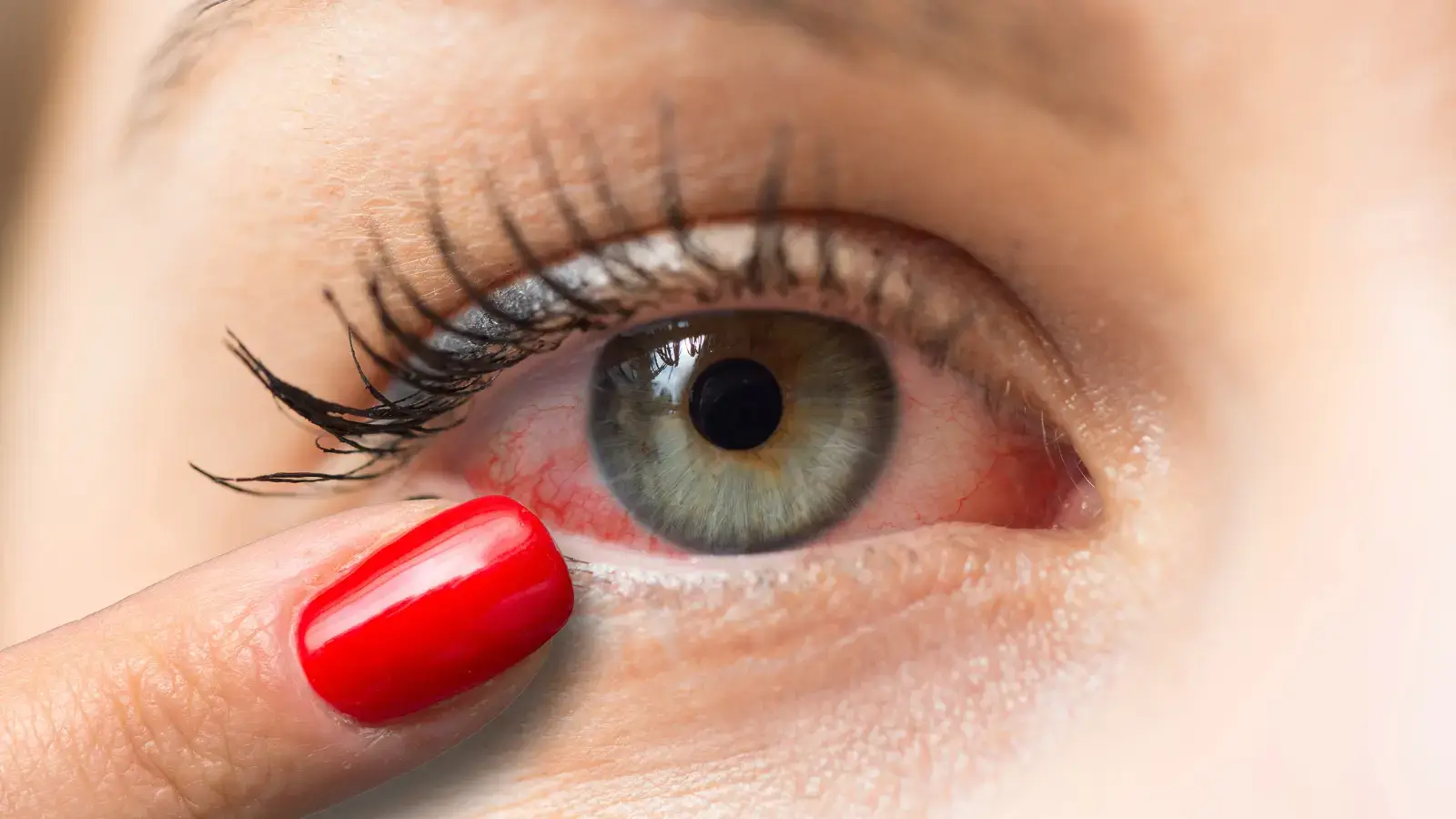
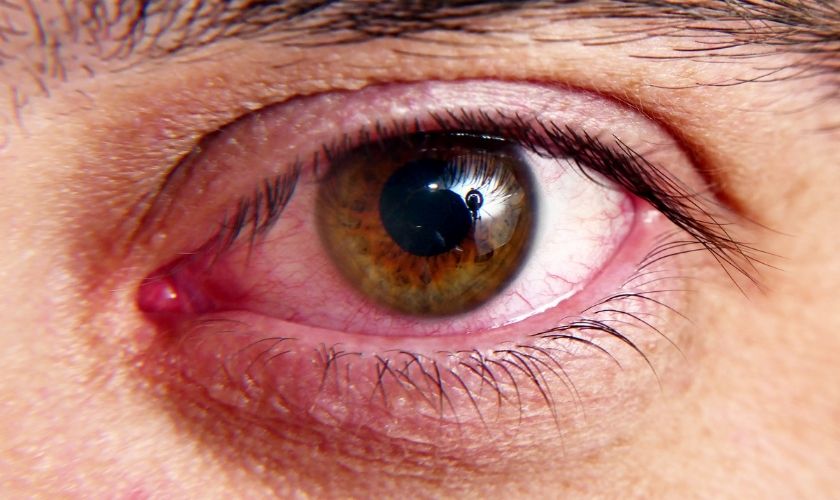
- Redness: The eyes may appear red or bloodshot due to irritation and inflammation caused by insufficient lubrication.
- Excessive tearing: Paradoxically, dry eyes can lead to increased tear production as the eyes try to compensate for the lack of sufficient moisture. However, these tears may be of poor quality and do not effectively lubricate the eyes.
- Blurred vision: Reduced tear film stability can lead to fluctuations in vision quality.
- Light sensitivity (photophobia): People with dry eyes may become more sensitive to light, particularly in bright or windy conditions.
- Stringy mucus in or around the eyes: Discharge or stringy mucus may be present in or around the eyes, as the tears become thicker and less able to flow properly.
- Difficulty wearing contact lenses: Dry eyes can make it uncomfortable or even impossible to wear contact lenses.
- Eye fatigue: Prolonged screen time, reading, or other visually intensive activities may exacerbate symptoms, leading to eye fatigue.
- Difficulty with night driving: Dry eyes can cause increased glare and halos around lights, making it challenging to drive at night.
- Eye discomfort in certain environments: Dry eye symptoms can worsen in windy, dry, or smoky conditions.
It’s important to note that the severity of symptoms can vary from person to person, and some individuals may experience only mild discomfort, while others may have more severe and chronic issues. If you suspect you have dry eyes or are experiencing persistent eye discomfort, it’s a good idea to consult an eye care professional or ophthalmologist for a proper evaluation and treatment recommendations. Treatment may include artificial tears, lifestyle adjustments, prescription medications, or in some cases, minor procedures to address the underlying causes of dry eyes.