Heights Eye Studio
1533 N Shepherd Dr Ste 120, Houston, TX 77008


Why Is It Important To Have A Diabetic Eye Exam Every Year?

Why Is It Important To Have A Diabetic Eye Exam Every Year?
Annual diabetic eye exams are a crucial aspect of managing diabetes and protecting your vision. Diabetes can lead to various eye-related complications, such as diabetic retinopathy, cataracts, and glaucoma, which can advance without noticeable symptoms in the early stages. Regular eye exams enable early detection and treatment of these conditions, significantly reducing the risk of severe vision loss or blindness.
This blog explores the importance of having a diabetic eye exam every year, emphasizing how proactive eye care can help preserve your vision and overall quality of life.
How Does Diabetes Affect Your Eyes?
High blood sugar levels can damage the delicate blood vessels in the retina, the light-sensitive layer at the back of the eye responsible for vision. Over time, these damaged vessels can leak fluid or bleed, leading to a range of vision problems. Diabetic eye exams in Houston are essential to detect and manage these issues early, helping to prevent severe complications.
The Dangers of Untreated Diabetic Retinopathy:
- Macular Edema: Fluid leakage from damaged blood vessels can accumulate in the macula, the area of the retina in the middle that provides crisp center vision. This can cause blurred vision, distorted images, and difficulty seeing colors.
- Proliferative Diabetic Retinopathy: In advanced stages, abnormal new blood vessels can grow on the retina’s surface. There is a risk of bleeding from these delicate veins, which can further damage the retina and lead to:
- Vitreous hemorrhage: Bleeding into the vitreous gel, the clear jelly-like substance filling the center of the eye, can cause severe vision loss.
- Retinal detachment: Scar tissue from bleeding is able to separate the retina from the back of the eye, causing permanent vision loss.
Early Identification Is a Major Blessing
The good news is that diabetic retinopathy is often treatable, especially when detected early. Regular diabetic eye exams allow eye doctors to identify early signs of damage and take steps to prevent vision loss. Here’s why yearly diabetic eye exams are crucial:
- Early Detection: Diabetic eye exams use specialized equipment to check for damage indicators on the retina, even before symptoms appear.
- Monitoring Progression: Regular exams allow your eye doctor to monitor any modifications and modify treatment regimens as needed.
- Preventative Measures: Early intervention can help prevent the development of more severe complications.
What Should You Expect During a Diabetic Eye Exam?
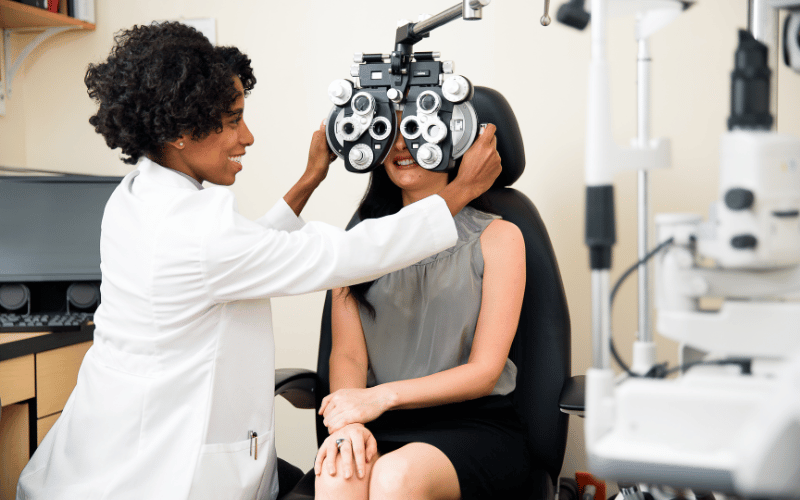
Diabetic eye exams are typically painless and non-invasive. Here’s a general breakdown of what to expect:
- Visual Acuity Test: This standard test measures your ability to see at various distances. During your diabetic eye exams in Houston, it help assess the impact of diabetes on your vision and determine any necessary corrective measures.
- Dilated Eye Exam: To dilate your pupils, utilize eye drops, allowing the doctor to examine the retina in detail.
- Additional Tests: Depending on your particular requirements, more testing like retinal fluorescein angiography or optical coherence tomography (OCT) may be used to get a clearer picture of the blood vessels and retinal health.
Taking Control of Your Eye Health:
If you have diabetes, here are some key steps to protect your vision:
- Schedule Regular Diabetic Eye Exams: Aim for a thorough diabetic eye examination at minimum once a year, more frequently if recommended by your doctor.
- Manage Your Blood Sugar Levels: Maintaining good blood sugar control is essential for overall health and helps prevent damage to your eyes.
- Maintain a Healthy Lifestyle: A healthy diet, consistent exercise, and managing weight can contribute to better eye health.
- Communicate with Your Eye Doctor: Discuss your risk factors, any vision changes you experience, and any medications you’re taking.
Find a Qualified Eye Doctor for Diabetic Eye Exams
If you’re looking for a qualified eye doctor specializing in diabetic eye care in Houston, you have several excellent options. Consider factors like location, insurance coverage, patient reviews, and your personal preferences when making your choice.
A Bright Future for Your Vision!
Diabetic eye exams are not just about checking your vision; they are a crucial preventive measure to safeguard your sight for years to come. By scheduling regular diabetic eye exams in Houston and working collaboratively with your eye doctor, you can proactively manage your eye health and enjoy a lifetime of clear vision, even with diabetes. Keep in mind that the best defense against vision loss is early detection to maintain a bright future for your eyes.
Frequently Asked Questions On Diabetic Eye Exams!
1. I don’t have any vision problems, do I still need diabetic eye exams?
Yes, even if you don’t experience any vision changes, diabetic eye exams are crucial. Diabetic retinopathy often progresses silently in its early stages. Regular exams allow your eye doctor to detect signs of damage before they impact your vision and take steps to prevent complications.
2. How often should I get diabetic eye exams?
The recommended frequency for diabetic eye exams can vary depending on the severity of your diabetes and any existing eye issues. Generally, aim for at least one comprehensive exam annually. Nonetheless, your ophthalmologist could advise more regular checkups based on your individual needs.
3. What happens during a diabetic eye exam?
Diabetic eye exams are typically painless and non-invasive. They involve a visual acuity test to measure a dilated eye examination to assess the retina, and potentially additional tests like retinal fluorescein angiography or OCT to assess blood vessels and retinal health.
4. Besides eye exams, what else can I do to protect my vision with diabetes?
Maintaining good blood sugar control is essential. Maintaining a balanced diet and healthy way of life, regular exercise, and managing weight can also contribute to better eye health. Open communication with your doctor regarding your diabetes management and any vision changes is crucial.
5. Where can I find a qualified eye doctor for diabetic eye exams in Houston?
Houston offers numerous excellent options for eye doctors specializing in diabetic eye care. Consider factors like location, insurance coverage, patient reviews, and your personal preferences when making your choice. Resources like online directories or recommendations from your primary care physician can be helpful in finding a suitable eye doctor.