Heights Eye Studio
1533 N Shepherd Dr Ste 120, Houston, TX 77008


Can An Optometrist Detect Eye Problems?

Can An Optometrist Detect Eye Problems?
In the intricate tapestry of our sensory experiences, our eyes stand as masterful artists, translating light into the vibrant palette of our vision. These delicate organs, however, are not immune to the subtle nuances of health challenges that can lurk beneath the surface. The question echoes: Can an optometrist detect eye problems? The answer unfolds beyond the routine prescription check, revealing a narrative of professionals equipped to decipher the language of the eyes. Beyond mere correction, optometrists in Houston serve as vigilant custodians, unraveling the mysteries of ocular well-being. Join us on a journey through optometry, where these practitioners emerge as prescribers and detectives safeguarding the invaluable gift of sight.
The Optometrist’s Skill Set
Optometrists are more than just people who conduct eye exams to determine your prescription for glasses or contact lenses. They are trained professionals with a vast skill set that equips them to identify and manage various eye problems. Their expertise extends beyond simply improving your vision; it encompasses diagnosing and treating eye conditions to ensure the overall health of your eyes.
Comprehensive Eye Exams
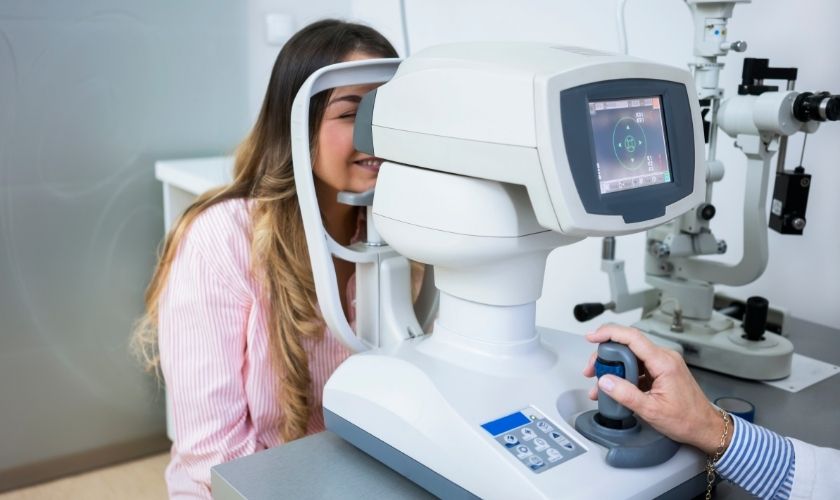
One of the primary ways optometrists detect eye problems is through comprehensive eye examinations. These examinations go far beyond assessing your visual acuity. Optometrists examine the entire eye, from the front structures, such as the cornea and lens, to the back of the eye, where the retina and optic nerve reside. This thorough evaluation allows them to identify a wide range of issues, from common refractive errors like nearsightedness and farsightedness to more complex problems like glaucoma, macular degeneration, and diabetic retinopathy.
Detection of Refractive Errors
Refractive errors are among the most common eye problems. They cause blurry vision and can significantly impact your daily life. Optometrists are experts at diagnosing these errors, which include myopia (nearsightedness), hyperopia (farsightedness), and astigmatism. By examining how light enters your eye and focusing on your retina, they can determine the precise prescription you need to see clearly.
Glaucoma Screening
Glaucoma is a silent thief of sight. It’s often symptomless until it reaches advanced stages. Optometrists employ various tests, including measuring intraocular pressure and assessing the optic nerve, to identify signs of glaucoma. Early detection is crucial, as it allows for the initiation of treatment to prevent vision loss.
Cataract Evaluation
Cataracts cloud the eye’s natural lens, leading to impaired vision. Optometrists in Houston can identify the presence of cataracts during an eye examination. While they may refer you to an ophthalmologist for surgery, optometrists can guide you through the early stages of cataract development, helping you manage your vision until surgical intervention becomes necessary.
Diabetic Eye Care
For individuals with diabetes, eye health is a critical concern. Diabetes can lead to a condition known as diabetic retinopathy, which can cause vision loss. Optometrists can monitor your eye health, look for signs of diabetic retinopathy, and collaborate with your primary care physician to manage your diabetes and preserve your vision.
Macular Degeneration Monitoring
Age-related macular degeneration (AMD) is a leading cause of vision loss in older adults. Optometrists play a pivotal role in monitoring and managing AMD. They can recommend lifestyle changes and prescribe aids like low vision devices to help maintain quality of life.
Children’s Vision
Early detection of eye problems in children is crucial for their development. Optometrists are well-equipped to perform eye exams for children, identifying issues like amblyopia (lazy eye), strabismus (crossed eyes), and refractive errors. Timely intervention can significantly impact a child’s long-term vision.
The world of optometry is rich and diverse, with professionals who do much more than determine the strength of your eyeglasses. Can an optometrist detect eye problems? Absolutely. Their training, expertise, and diagnostic tools allow them to identify various eye conditions, from refractive errors to severe eye diseases. Regular eye examinations by optometrists are essential for maintaining good vision and overall eye health. So, the next time you visit your optometrist, remember that they are your guardians of sight, diligently watching over your eyes’ well-being. Next time you have an eye exam, appreciate your optometrist’s extensive skill set and dedication in Houston- Your eyes will thank you for it.