Heights Eye Studio
1533 N Shepherd Dr Ste 120, Houston, TX 77008


Experiencing the Dry Eye Symptoms? – Discover Signs, Solutions, and Soothing Treatments

Experiencing the Dry Eye Symptoms? – Discover Signs, Solutions, and Soothing Treatments
Ever feel like your eyes are auditioning for a role in a dusty Western saloon brawl? Yeah, that gritty, burning sensation that makes blinking feel like sandpaper on your eyeballs? You, my friend, might be experiencing the delightful (not!) phenomenon of dry eye. Read this blog to uncover the signs, solutions, and soothing treatments that’ll have your peepers feeling like a glistening oasis in no time. So, grab your metaphorical eye drops and get ready to laugh (or maybe cry a single, tearless tear) as we dive for a wacky research of dry eye!
Dry eye symptoms are common, but it affects millions of people worldwide. It can be a frustrating and uncomfortable condition, leaving your eyes feeling scratchy, gritty, and irritated. But now, dry eye relief is within reach!
This guide will equip you with the knowledge to:
- Recognize the telltale signs of dry eyes
- Explore potential solutions to address the root cause
- Discover soothing treatments to bring immediate comfort
Signs and Symptoms of Dry Eyes
Dry eyes can manifest in various ways. Here are some common dry eye symptoms to watch out for:
- Gritty, scratchy, or burning sensation: This is a classic symptom, as if sand particles are lodged in your eyes.
- Stinging or watering: While counterintuitive, dry eyes can sometimes trigger excessive watering as the body tries to compensate for a lack of moisture.
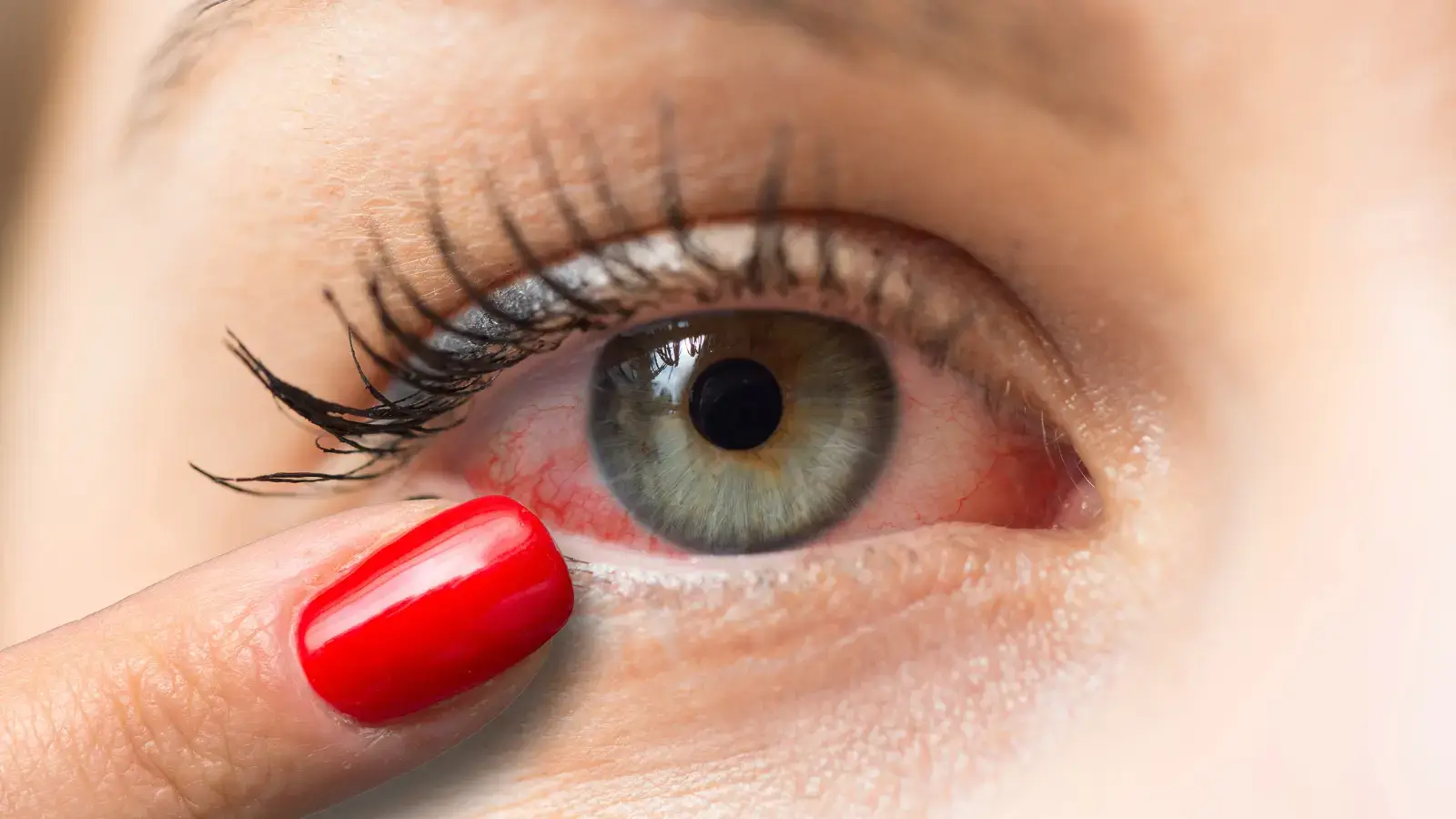
- Redness: Dryness can irritate the ocular surface, leading to redness.
- Blurred vision: Fluctuations in tear quality can cause temporary blurry vision, especially noticeable when focusing on near objects.
- Light sensitivity: Dry eyes can make your eyes more sensitive to bright lights.
- Foreign object sensation: You might feel like there’s something stuck in your eye, even though there’s nothing there.
- Eye fatigue: Dry eyes can make your eyes feel tired and strained, especially after prolonged screen time or reading.
Understanding the Causes of Dry Eyes Symptoms
Several factors can contribute to dry eyes. Here are some of the most common:
- Tear production deficiency This occurs when your lacrimal glands don’t produce enough tears.
- Evaporative dry eye: This happens when tears evaporate too quickly due to a lack of oil (lipids) in the tear film.
- Environmental factors: Dry air, wind, dust, smoke, and prolonged exposure to air conditioning or heating can all contribute to dry eyes.
- Digital eye strain: Staring at screens for extended periods can decrease blink rate, leading to dry eyes.
- Medical conditions: Certain medical conditions like Sjogren’s syndrome, rosacea, and allergies can cause dry eyes.
- Medications: Some medications, like antihistamines and diuretics, can have dry eye as a side effect.
- Age: As we age, tear production naturally decreases, making dry eyes more common in older adults.
Solutions to Address the Root Cause
Once you understand the potential cause of your dry eyes, you can explore targeted solutions:
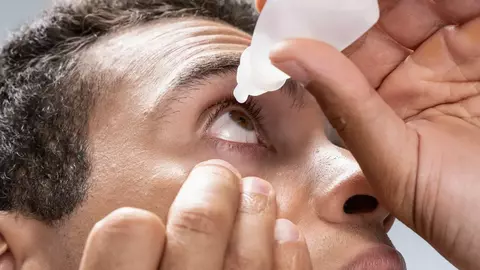
- Increase tear production: Artificial tears are a readily available solution that lubricates the eyes and provides temporary relief. Consider preservative-free options for long-term use.
- Improve tear quality: Look for artificial tears containing lipids (oils) which help slow tear evaporation.
- Address underlying conditions: If a medical condition is contributing to dry eyes, consult your doctor for appropriate treatment.
- Reduce screen time: Take frequent breaks from screens and practice the 20-20-20 rule: look at something 20 feet away for 20 seconds every 20 minutes of screen time.
- Environmental modifications: Use a humidifier to add moisture to the air, especially during dry seasons or in winter. Avoid irritants like smoke and dust.
Soothing Treatments for Immediate Relief
While solutions address the root cause, these soothing treatments can provide immediate relief:
- Warm compresses: Apply a warm compress to your closed eyelids for 5-10 minutes several times a day. This helps loosen clogged oil glands and improve tear quality.
- Eyelid massage: Gently massage your eyelids with clean fingertips after applying a warm compress. This helps express oils from the glands.
- Omega-3 fatty acid supplements: Studies suggest omega-3s may help improve tear quality. Consult your doctor before starting any supplements.
- Eyelid hygiene: Regularly clean your eyelids with a gentle cleanser to remove debris and prevent clogged glands.
Additional Tips: From Sahara to Oasis, Conquering Dry Eye Discomfort
- Blink more often, especially during screen time.
- Stay hydrated by drinking plenty of water throughout the day.
- Consider using lubricating eye drops before bedtime to prevent dryness during sleep.
- Protect your eyes from the sun with UV-blocking sunglasses.
In conclusion, Dry eyes are a manageable condition. By recognizing the signs, exploring solutions to address the cause, and incorporating soothing treatments into your routine, you can find relief and keep your eyes feeling comfortable and healthy. Remember, for persistent dry eye symptoms, consult your eye doctor to get a personalized diagnosis and treatment plan. With a little effort and the right approach, you can say goodbye to dry eyes and hello to comfortable, healthy vision!