Heights Eye Studio
1533 N Shepherd Dr Ste 120, Houston, TX 77008


Understanding the Causes and Symptoms of Dry Eye Syndrome


Understanding the Causes and Symptoms of Dry Eye Syndrome
The anatomy of the human body has been a fascinating subject for millennia. The sheer biological ingenuity that makes our bodies work as they do is incredible. Every part works independently to satisfy specific functions while being inextricably tied to the performance of another. Tiny structures work together to support the operation of even larger structures. One of the most intriguing body parts is the eye.
The eye plays a crucial role in our ability to navigate, communicate, and make decisions. Your eyes must work for you to move around comfortably. So, when something affects your eyes, it can become a significant issue. One such “something” is dry eye syndrome. The condition affects the ability of your eyes to lubricate. It causes symptoms that can affect the quality of your vision and your life.
What Is Dry Eye Syndrome?
Your tears are a critical aspect of your eye health. They keep the eyes clean and lubricated to assist in clear vision by improving the refraction of light. When dry eye syndrome affects your tears, you may experience several symptoms, like a burning feeling in the eyes. The condition usually takes two primary forms: tear instability and insufficiency.
Tear Instability
The tear film comprises three main layers that work together to keep the eye healthy. The three layers are the oily or lipid layer, the water or aqueous layer, and the mucus or mucin layer, consecutively. Each layer has a specific role in the function of the entire tear film. When the lipid layer is affected, the entire tear film evaporates quickly, exposing and drying your eyes.
Tear Insufficiency
Every time you blink, your eyelids spread a new layer of tears over the eye’s surface. For this to continue, you must produce sufficient tears to last you the whole day. The layer that provides volume for this to happen efficiently is the aqueous layer. When you are not producing enough of it, the quantity of your tears reduces significantly.
What Causes Dry Eye Syndrome?
The two main forms of the condition can occur because of different issues. Here are some of the most common causes of the condition.
What Causes Tear Instability?
The leading cause of tear instability is meibomian gland dysfunction, a malfunction of the glands that produce the oily layer. Other causes include a low blink rate from conditions like Parkinson’s or doing close-up work. Eyelid problems like turning inwards or outwards and eye allergies also lead to this. Vitamin A deficiency and preservatives in eye drops can also lead to dry eyes.
What Causes Tear Insufficiency?
The leading cause of this is aging, which is why most people with this form are older. It can also occur due to medical conditions like lupus, scleroderma, rheumatoid arthritis, or sarcoidosis. It can also occur as a side effect of medications like birth control, antidepressants, or hypertension drugs.
Symptoms Of Dry Eye Syndrome
- Stinging or burning feeling in the eye
- Light sensitivity
- Stringy mucus around the eye
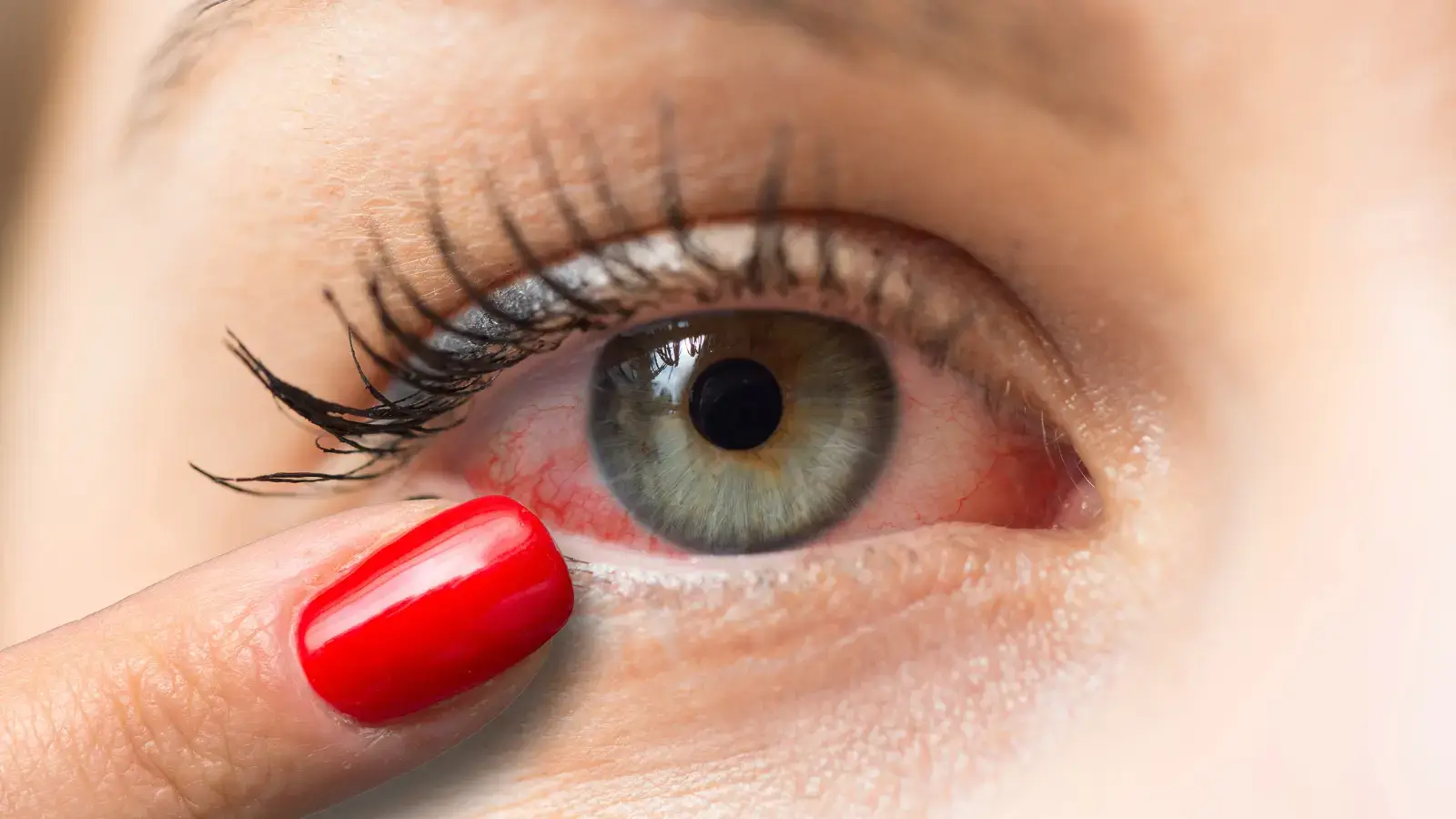
- Redness
- The feeling of sand in the eye
- Eye fatigue or blurry vision
For more on understanding the causes and symptoms of dry eye syndrome, visit Heights Eye Studio at our office in Houston, Texas. Call 832-975-7020 to book an appointment today.