Heights Eye Studio
1533 N Shepherd Dr Ste 120, Houston, TX 77008


What Tests Are Done for Eye?

What Tests Are Done for Eye?
Regular eye tests are essential for maintaining healthy vision and detecting eye disorders early. In this comprehensive guide, we will explore the need for frequent eye exams and provide an overview of the many types of eye tests available. Knowing these assessments allows us to make proactive measures to protect our eye health and correct any visual deficiencies. In this informative video, we will delve into the world of eye testing in order to keep you informed and empowered.
Importance Of Regular Eye Tests
Early Detection and Prevention
Regular eye tests allow for the early discovery of potentially dangerous eye disorders, allowing for prompt intervention and prevention. In the early stages of many eye disorders, such as glaucoma, cataracts, macular degeneration, and diabetic retinopathy, there may be no visible signs. Comprehensive eye examinations allow eye care experts to identify and treat these diseases before they worsen and cause irreparable visual impairment.
Vision Correction
Routine eye tests can help evaluate whether vision correction is required. Nearsightedness, farsightedness, and astigmatism are examples of refractive defects that can cause fuzzy vision and difficulty with daily tasks. By detecting these abnormalities, eye care specialists can prescribe corrective solutions, such as glasses or contact lenses, to improve visual clarity and quality of life.
Monitoring Eye Health
Regular eye tests enable the general health of the eyes to be monitored. Our eyes change over time, and certain variables, such as age, genetics, and lifestyle, can all play a role in the development of various eye disorders. Eye care specialists can follow any changes in our eyes, detect any hazards, and adopt required procedures to preserve optimal eye health by scheduling frequent eye exams.
Systemic Health Indicators
Eye tests can reveal signs of underlying systemic health problems. During a routine eye exam, eye care specialists may detect symptoms of diabetes, hypertension, autoimmune diseases, and even some malignancies. Early detection of these indicators can lead to immediate medical action and better overall health management.
Updating Prescriptions
Regular eye tests ensure that prescriptions are current. Our eyesight might vary over time, necessitating changes in correction procedures. We may guarantee that our glasses or contact lens prescriptions appropriately represent our visual demands and provide optimal vision correction by having routine checkups.
Eye Strain and Fatigue Prevention
Eye strain and weariness can result from prolonged exposure to digital screens and demanding visual work. Regular eye exams aid in the detection of any disorders associated with these variables, such as computer vision syndrome or dry eye syndrome.
Eye care specialists may advise on good eye care practices and offer actions to reduce pain and preserve visual comfort when using a screen for a prolonged period.
Overview Of Different Types Of Eye Tests
There are several sorts of eye examinations that evaluate various parts of our eyesight and eye health. Each test serves a distinct function and offers eye care specialists useful information. In the sections that follow, we will look at some of the most popular eye examinations.
Visual Acuity Tests
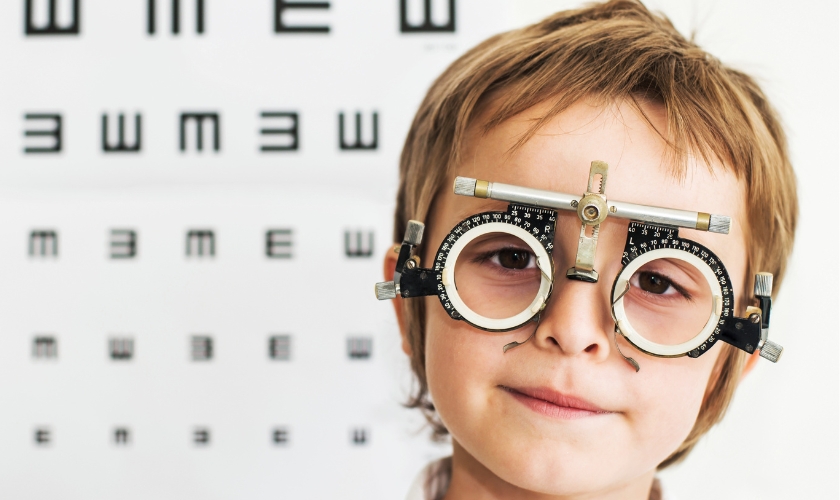
Visual acuity tests, such as the Snellen chart, are used to assess our vision’s clarity. We will discuss the objective of visual acuity exams as well as how the Snellen chart is used to measure our visual acuity. Understanding visual acuity is critical for evaluating our capacity to see well and detecting any potential refractive defect.
Refraction Tests
Refraction tests are used to establish the best prescription for corrective lenses like glasses or contact lenses. The aim of refraction tests will be discussed, as well as a full description of the procedure and equipment utilized during these examinations. Understanding how refraction tests function will help us understand why precise prescriptions are so important for good vision correction.
Ocular Motility Tests
Eye movement analysis is critical for recognizing any anomalies or muscle deficiencies that may impair our vision. Ocular motility exams assess our eyes’ coordination and alignment. We will discuss the relevance of these tests as well as the main techniques used to evaluate ocular mobility.
Intraocular Pressure Tests
Elevated intraocular pressure may indicate early glaucoma, a serious eye condition. If untreated, it can lead to vision loss. Explore the link between intraocular pressure and glaucoma, along with an overview of tonometry—a common method for measuring eye pressure.
Retinal Examination
The retina is an important aspect of our visual system, and studying it can provide information about numerous eye disorders. We will emphasize the necessity of retinal inspection and present various ways of assessing and capturing retinal pictures. Understanding retinal examination processes will emphasize the importance of this test in the diagnosis and management of eye problems.
Regular eye tests are critical for maintaining good eye health and recognizing any eye problems as early as possible. By undergoing these exams, we can ensure prompt intervention and treatment, resulting in superior eyesight outcomes. Prioritize regular eye exams to prevent vision loss and maintain lifelong eye health. It’s crucial for overall well-being.